ANTALYA FENCING SPORTS COURSE
Week 1: Introduction to Fencing and Basic Principles
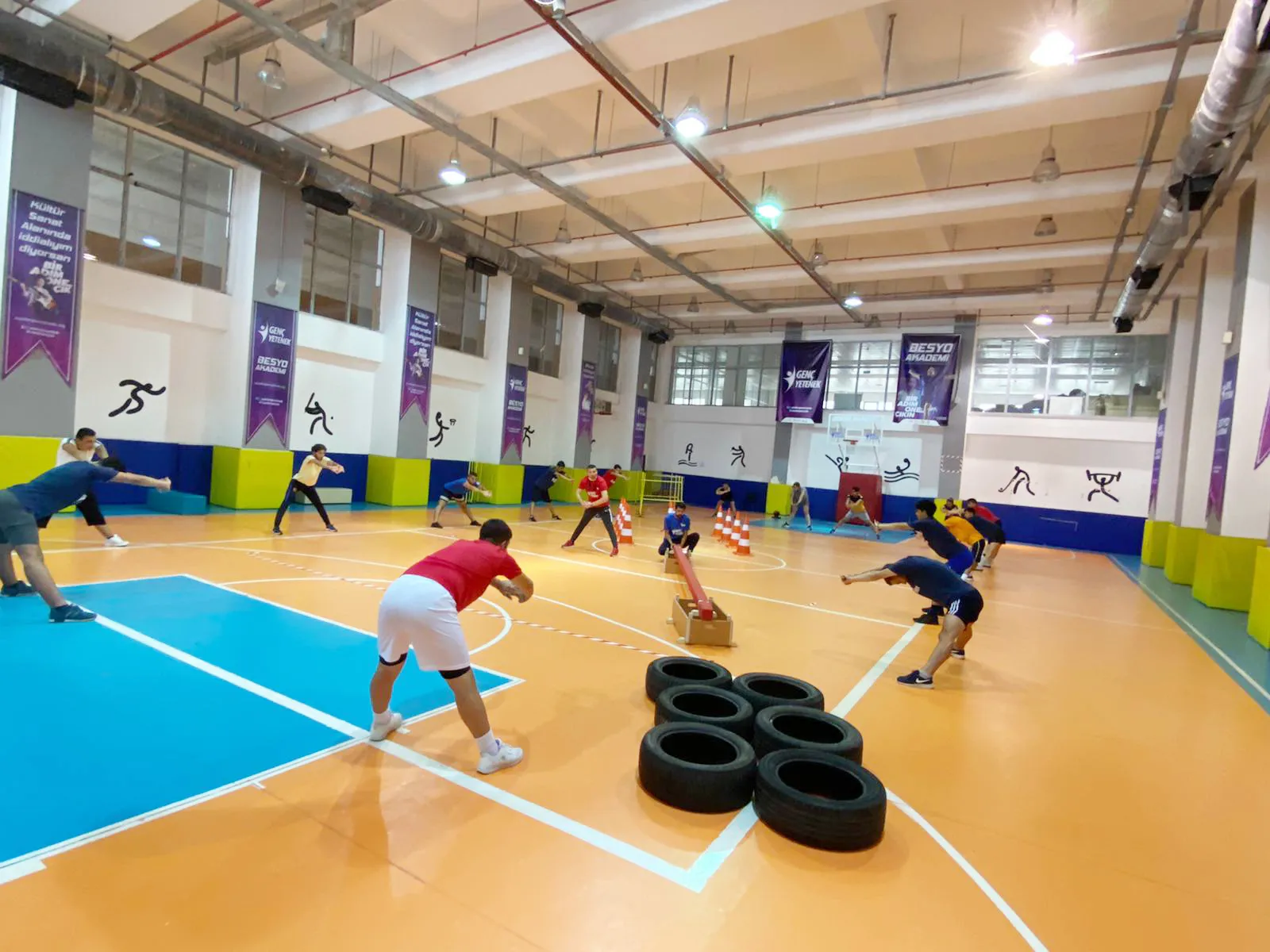
- Getting to know each other and warm-up exercises: Introduction of the participants, basic warm-up exercises and stretching techniques for fencing.
- Basic Fencing Information: The history of fencing, basic rules, and safety precautions.
- Fencing Equipment: Introduction to types of masks, clothing, gloves, and weapons.
Week 2: Basic Posture and Movement Techniques
- Fencing Stance: Correct body posture and balance techniques.
- Basic Steps: Stepping forward, backward, and sideways.
- Defensive Positions: Basic sword grips and defensive stances.
Week 3: Weapon Usage and Basic Offensive Techniques
- Gun Control: Basic grip and striking techniques for foil, épée, and saber.
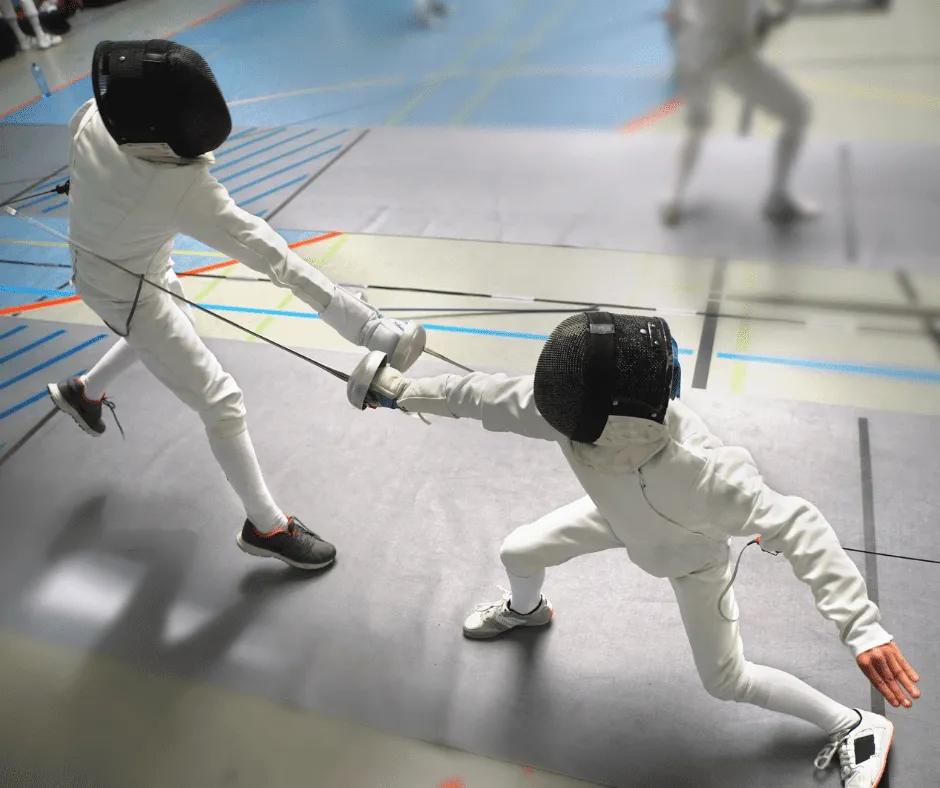
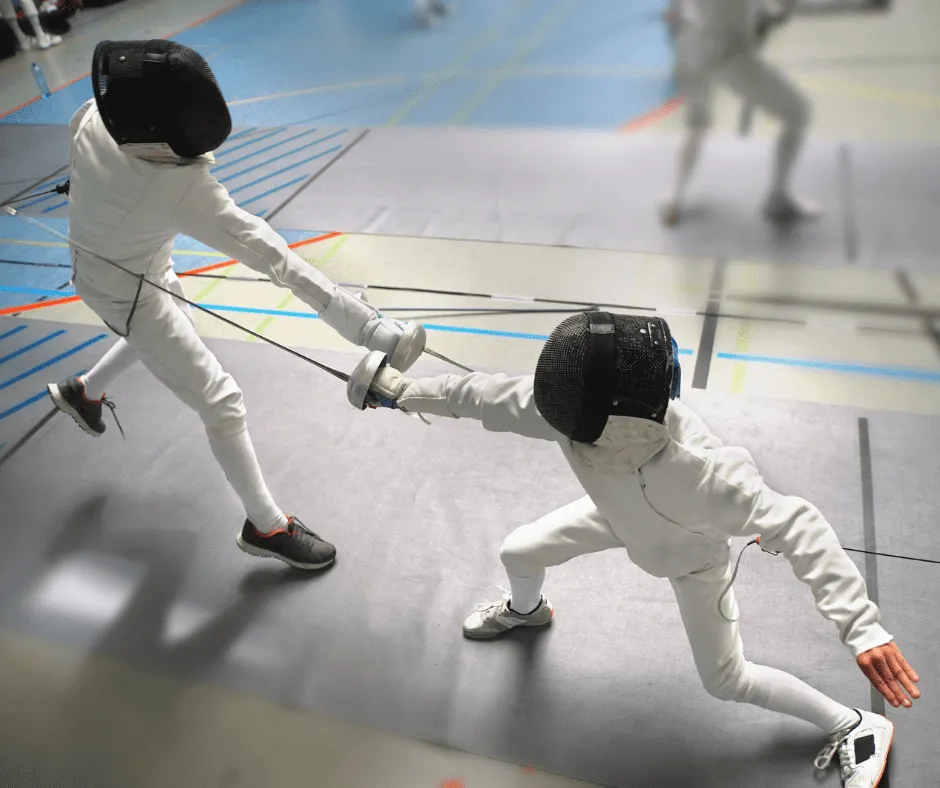
- Basic Offensive Techniques: Simple offensive plays, reach and straight shots.
- Target Exercises: Attack operations are being carried out in the designated areas.
Week 4: Defensive Techniques and Counter-Attack
- Blocking and Countering: Techniques for defending against opponent attacks.
- Timing Studies: Developing a counter-attack quickly from the defense.
- Strategy in Fencing: Methods of analyzing the opponent's moves and making counter-moves.
Week 5: Combination Techniques and Tactical Development
- Offensive and Defensive Combinations: Special techniques that combine defense and offense.
- Strategic Planning: Anticipating the opponent's movements during the match and choosing the appropriate move.
- Speed and Reflex Exercises: Exercises to improve reaction time in fencing.
Week 6: Referee Rules and Match Simulations
- Fencing Referee Rules: Scoring system, fouls, and competition rules.
- Practice Match Tests: Training matches between the participants.
- Tactical Analysis: Post-match performance review and correction of mistakes.
Week 7: Tournament Preparation and Performance Improvement
- Tournament Simulations: Training in a real match atmosphere.
- Professional Fencing Techniques: Advanced tactics and mental preparation.
- Final Evaluation: Individual performance analysis and course completion certificate.
Information and Frequently Asked Questions about Fencing
What is fencing?
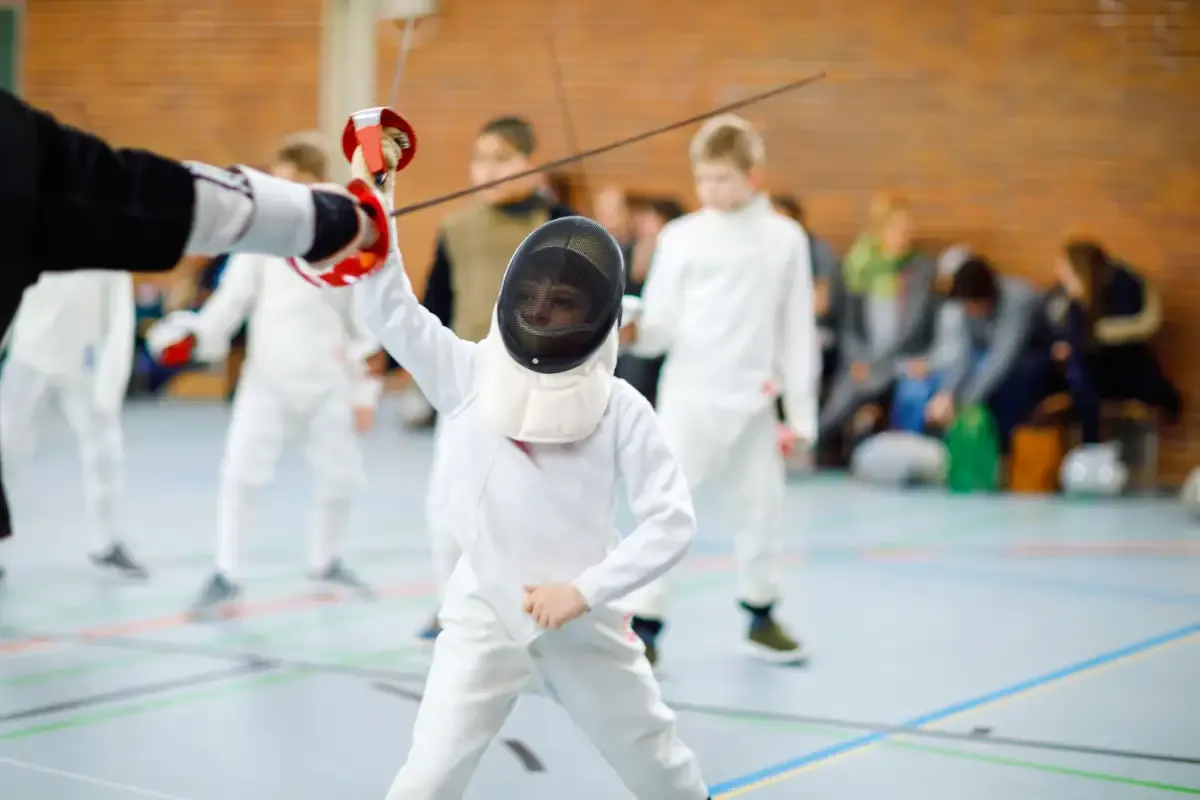
Fencing is a martial art that uses swords. Based on defensive and offensive techniques, it requires speed, reflexes, and strategy. Modern fencing is practiced with three different weapons: foil, épée, and saber.
Types of Fencing
- Foil: A light sword is used. Blows are only to the torso.
- Epee: It is the heaviest type of sword. The entire body is considered the target.
- Sword: It can be struck with both the tip and the edges. The upper body and arms are target areas.
Benefits of Fencing
✔ Improves reflexes.
✔ Improves balance and coordination.
✔ It develops quick decision-making skills.
✔ It strengthens muscles and increases endurance.
Frequently Asked Questions
1. At what age can one start fencing?
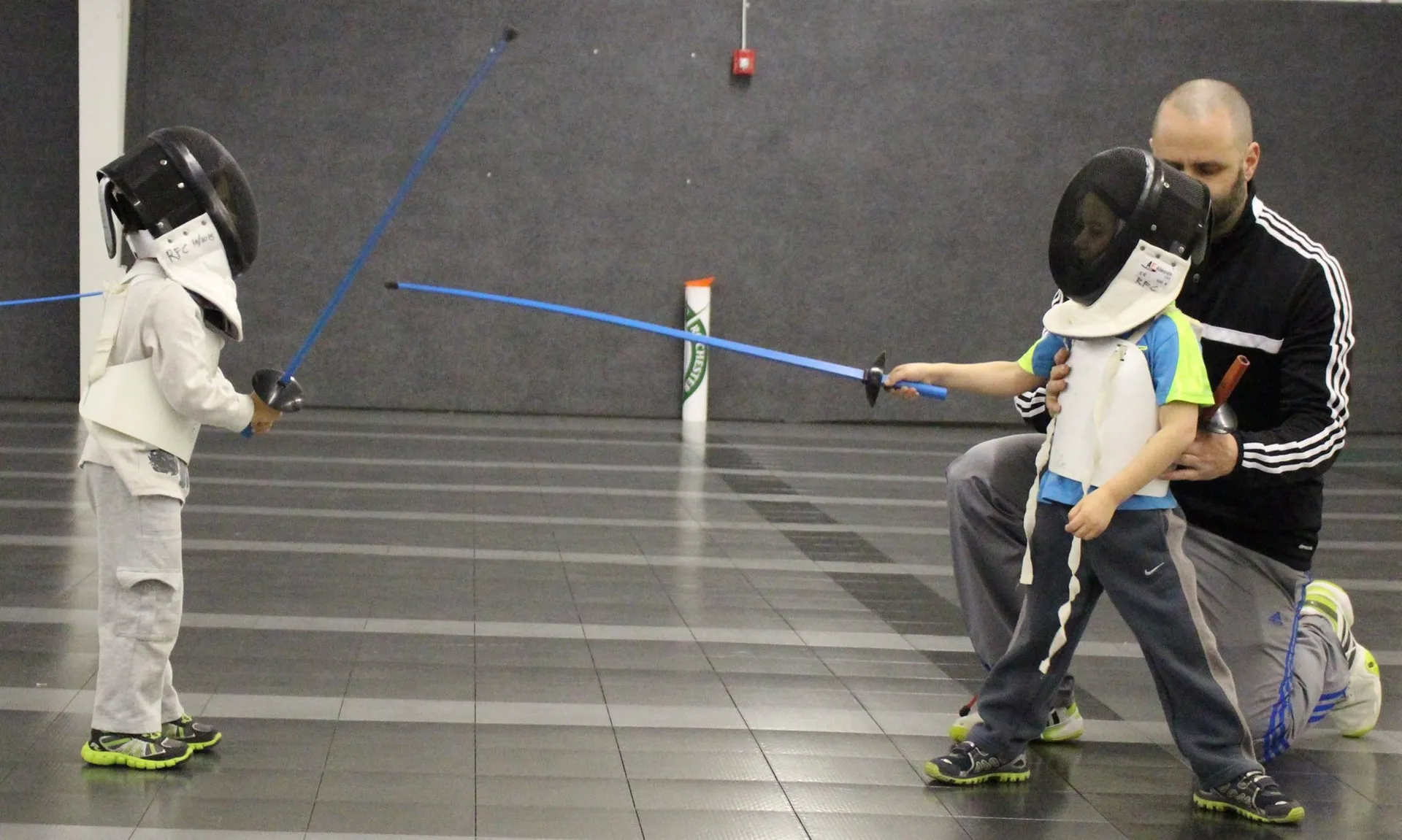
Fencing can generally be started from the age of 7. However, it is possible to learn at any age.
2. Is fencing a dangerous sport?
No. Fencing is a safe sport thanks to the equipment and protective clothing used.
3. What equipment is used in fencing?
The basic equipment used in fencing includes the following:
✅ Sabre (foil, épée, or sabre)
✅ Mask
✅ Protective clothing (jacket, gloves, trousers)
✅ Chest protector (especially for female athletes)
4. Is fencing an Olympic sport?
Yes. Fencing is a long-standing sport that has been included in the Olympic Games since 1896.
5. How is scoring done in fencing?
- Foil: Only modifications to the bodywork are valid.
- Epee: Any touch to the entire body counts.
- Sword: Strikes to the upper body are valid.
6. Is fencing an expensive sport?
For beginners, clubs can provide affordable equipment to get started. However, professional equipment can be quite expensive.
7. What physical attributes are important in fencing?
In fencing, speed, agility, endurance, and strategic thinking are important. Long arms and legs can provide an advantage, but technique and tactics are the more decisive factors.
8. Is fencing an individual or team sport?
Fencing can be practiced both individually and as a team. Team competitions are also held at the Olympics and other major tournaments.
Fencing is a fun, competitive sport that develops both physically and mentally. To get started, you can join a local fencing club and begin training!
#Antalya-fencing-course #Antalya-fencing-academy #Antalya-fencing #Antalya-fencing-club #Antalya-fencing-coach #Antalya-fencing-training #fencing-federation #Turkey-fencing #fencing-course #Antalya-sports-fencing #MurAtpasa-fencing-course #Konyaalti-fencing-course #Kepez-fencing-course #Dosemealti-fencing-course #Aksu-fencing-course #Kas-fencing-course #Kemer-fencing-course #Manavgat-fencing-course #Serik-fencing-course #Alanya-fencing-course
ANTALYA FENCING COURSE - 8 LESSONS
COURSE: Fencing Course
LOCATION: Antalya
NUMBER OF COURSES: 1 or 2 days a week, a total of 8 lessons.
COURSE DURATION: 60 Minutes
PARTICIPATION: One-on-one or group training.
This is the price for an Antalya Fencing course per person. Lesson days and times are determined in consultation with the fencing athletes, and lessons are scheduled according to an appointment system. The 8-lesson package must be completed within a 2-month period. Our Antalya Fencing courses are suitable for all age groups from 7 years and older. Our courses are conducted with professional fencing instructors, taking all necessary safety precautions. Prices include fencing training programs, protective equipment, and basic training materials. Every athlete participating in the course must comply with the course rules and safety instructions.
Antalya Fencing Course Content:
Antalya Fencing Course Theoretical Training:
-
The history and basic rules of fencing.
-
Identifying and using fencing equipment.
-
Principles of posture, balance, and movement in fencing.
-
Basic techniques and terminology used in fencing.
-
Safety precautions and use of protective equipment.
Antalya Fencing Course Practical Training Sessions:
-
Basic posture and movement techniques.
-
Balance and reflex exercises in fencing.
-
Sword fighting and basic offensive techniques.
-
Defensive and counter-offensive techniques.
-
Fencing game strategies and practical training.
-
One-on-one match simulations and refereeing rules.
Information about Basic Fencing Training in Antalya: Fencing is a martial art that develops quick thinking, reflexes, and strategic movement skills. The aim of training is to teach athletes basic fencing techniques, increase physical endurance, and instill sporting discipline.
Benefits of Antalya Fencing Courses:
-
Improving reflexes and coordination.
-
Improving strategic thinking skills.
-
Increasing endurance and physical strength.
-
Developing quick decision-making skills.
-
To instill self-confidence and discipline.
Weekly Fencing Training Plan:
-
Week: Introduction to fencing, equipment familiarization, and basic stance techniques.
-
Week: Basic movements and leg coordination.
-
Week: Sword fighting techniques and basic self-defense moves.
-
Week: Offensive techniques and strategic moves in fencing.
-
Week: Studies on defensive and counter-attacking techniques.
-
Week: One-on-one applications and refereeing rules.
-
Week: Simulation matches and tournament preparations.
-
Week: Final evaluation and certificate ceremony.
Antalya Fencing Course is suitable for both children and adults. It contributes to the physical development of athletes while also allowing them to discover the aesthetic and strategic aspects of fencing.
#Antalya-fencing-course #Antalya-fencing-academy #Antalya-fencing #Antalya-fencing-club #Antalya-fencing-coach #Antalya-fencing-training #fencing-federation #Turkey-fencing #fencing-course #Antalya-sports-fencing #Kepez-fencing-course #Murapasa-fencing-course #Konyaalti-fencing-course #Dosemealti-fencing-course #Aksu-fencing-course #Serik #Kumluca #Manavgat-fencing-course #Alanya