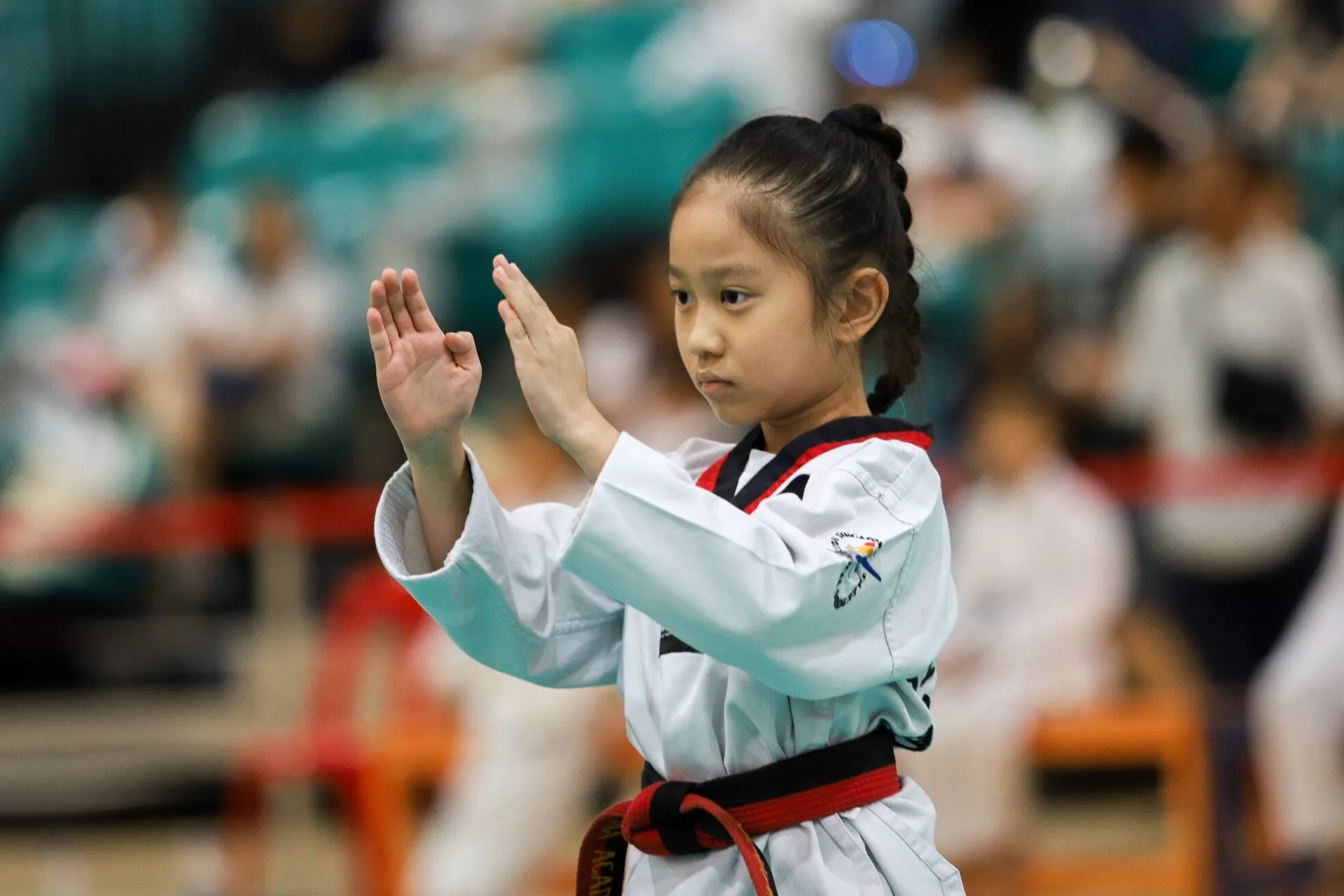
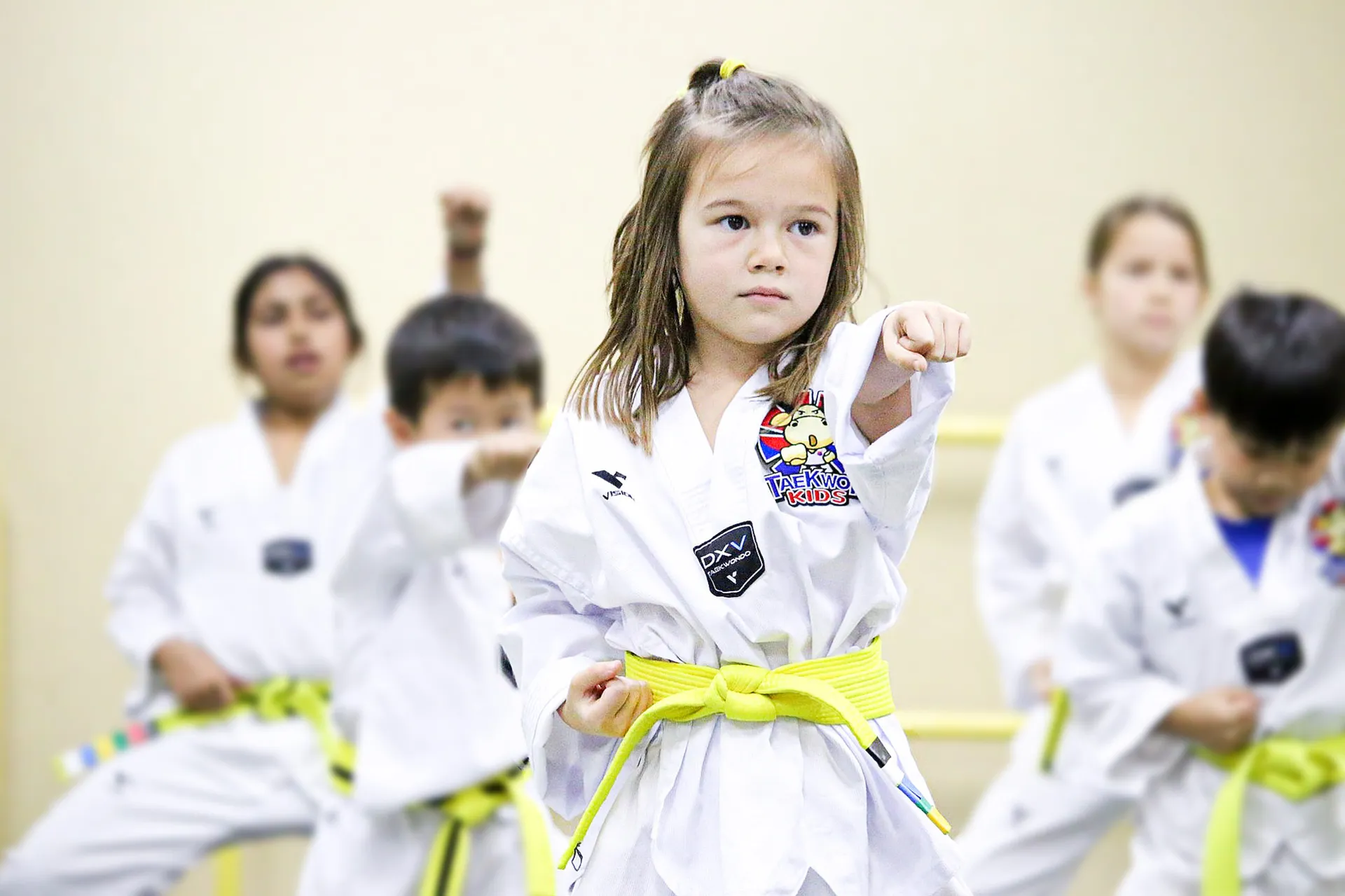
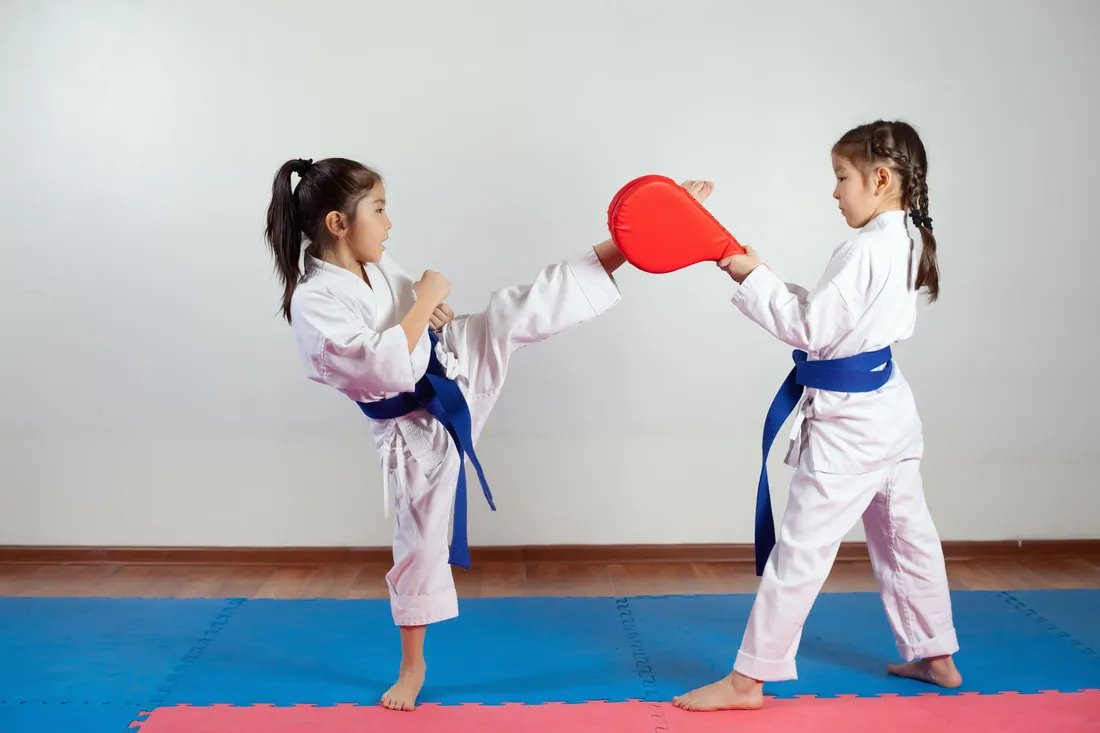
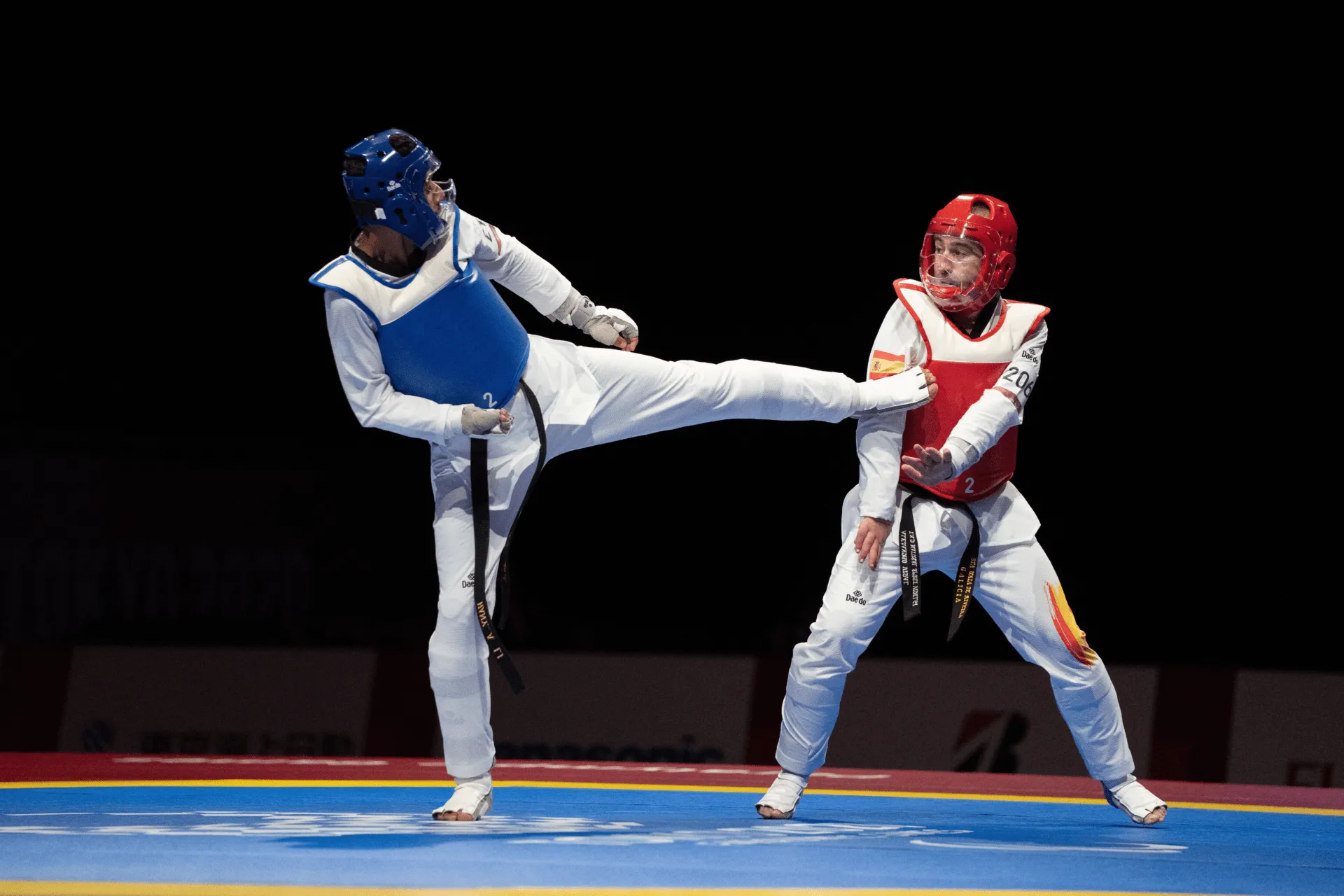
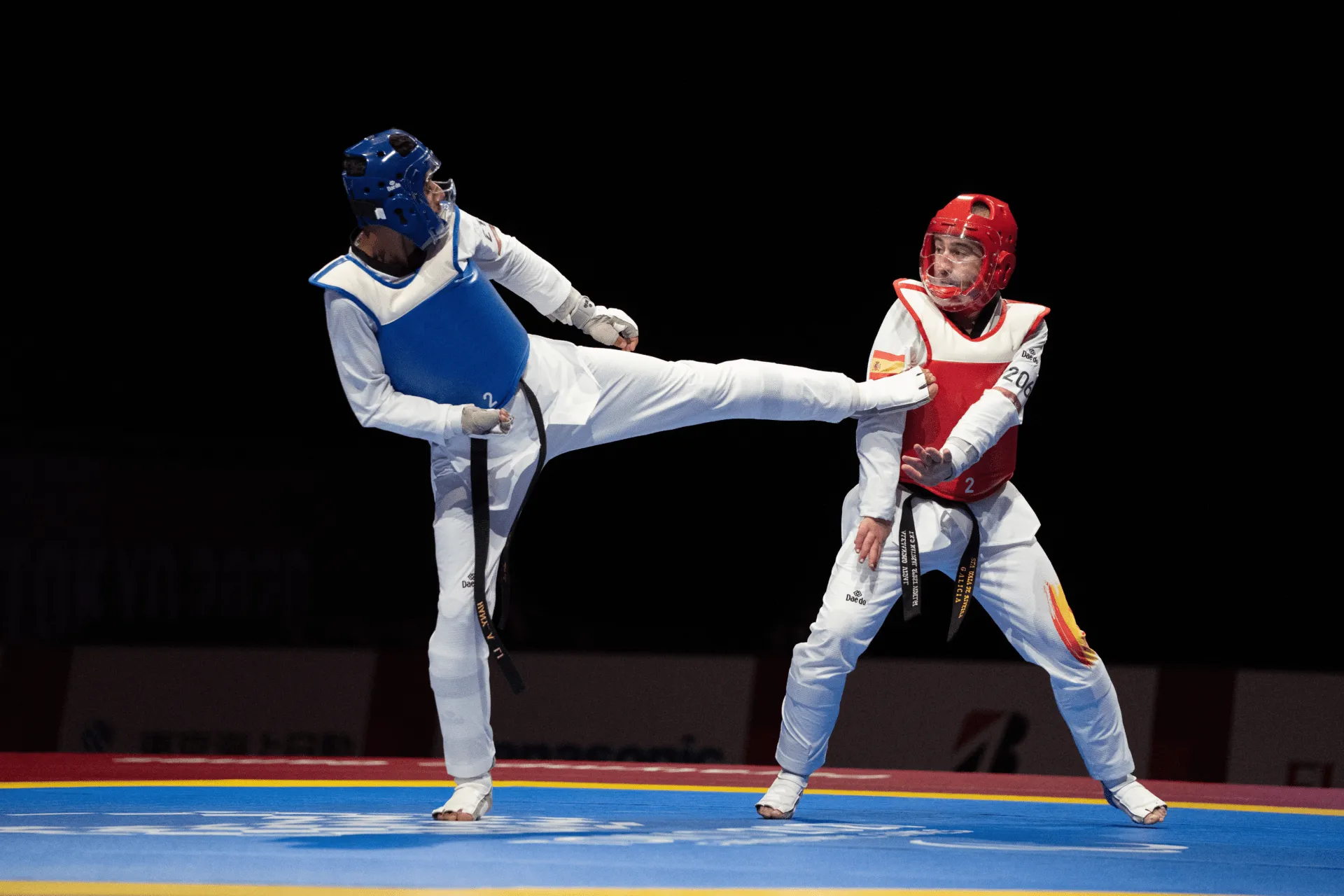
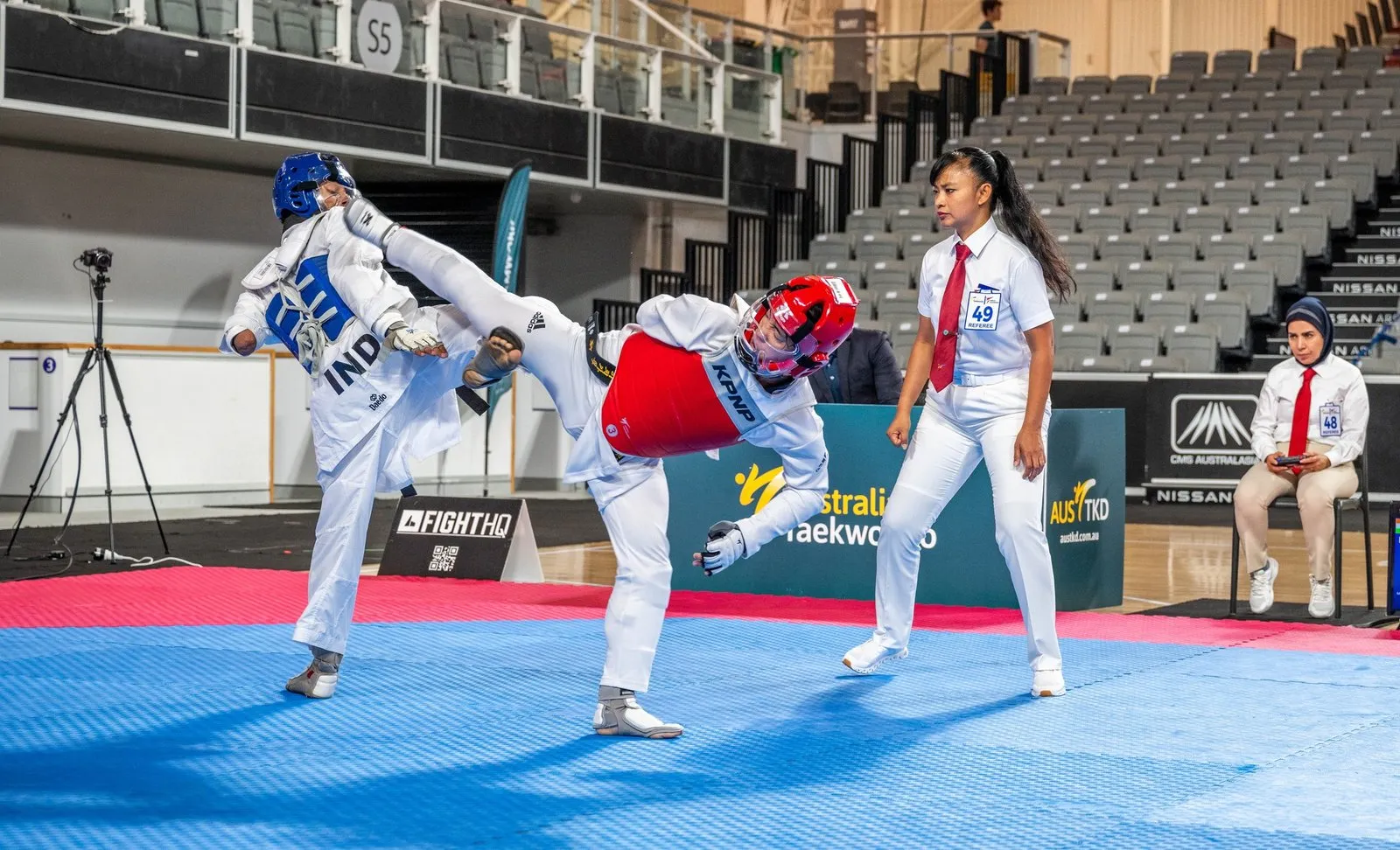
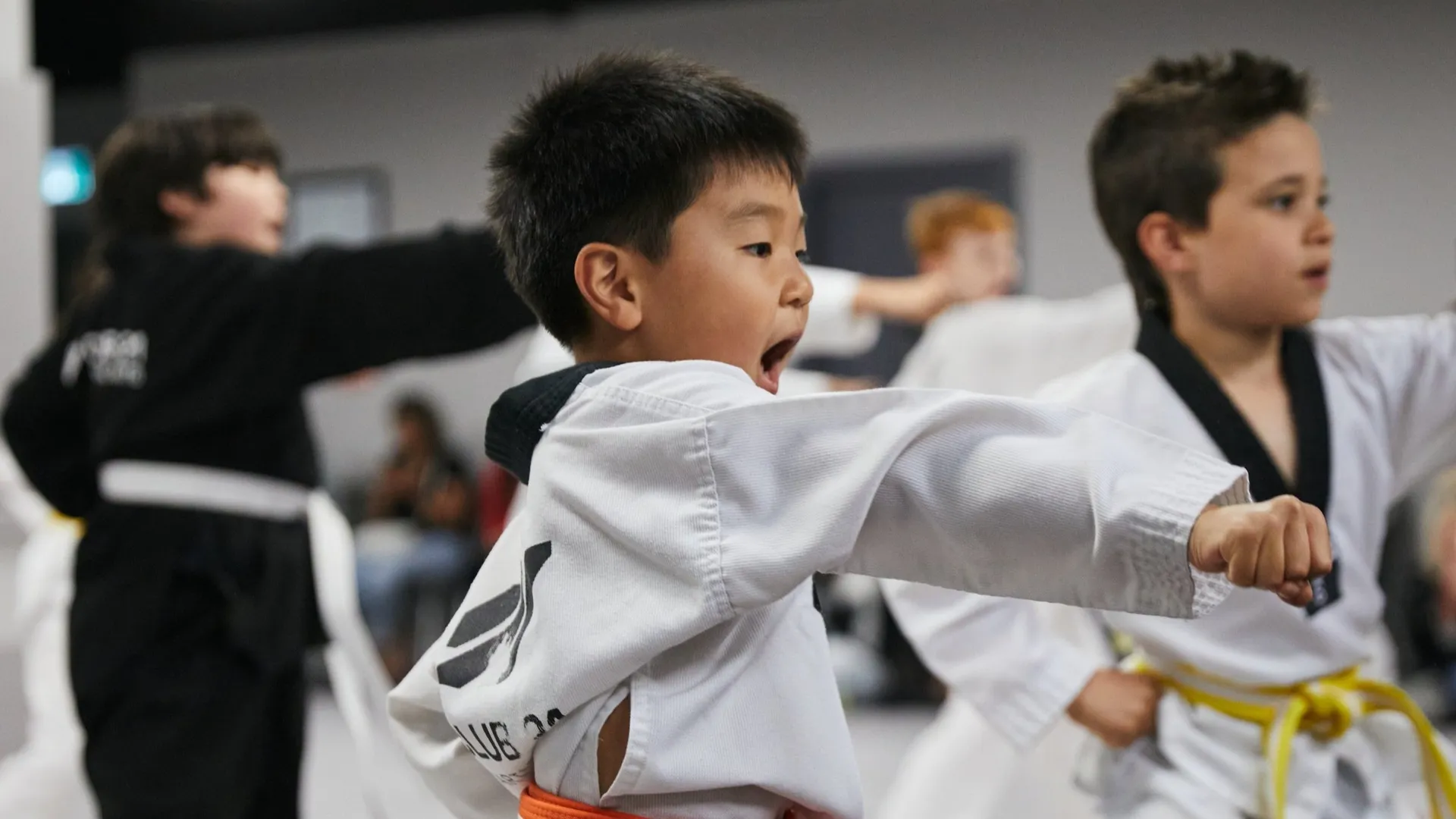
TaekwondoOriginating in South Korea, martial arts and Olympic sports combine discipline, respect, self-confidence, and physical development. With its rich kicking techniques, rapid footwork, and strategic fighting style, it is considered one of the most popular self-defense sports in the world.
The word "Taekwondo" consists of three parts:
Tae (태): Footwork and kicking techniques.
Kwon (권): Hand and fist techniques.
Do (도): The path, discipline, and philosophy of life.
Taekwondo aims not only at defeating an opponent, but also at self-improvement, patience, and the development of a strong character.
Taekwondo Learning Guide
1. Learn the Basic Philosophy of Taekwondo
Taekwondo is about character training before it's about techniques.
Basic principles:
Kindness
Honesty
Resolution
Self-control
Invincible spirit
These values form the foundation of sport.
2. Choose the Right Club
Getting a quality education at the beginning is extremely important.
At a good club;
Licensed coaches
Safe training environment
Age-appropriate groups
Regular belt exams
Competition opportunities
It must be found.
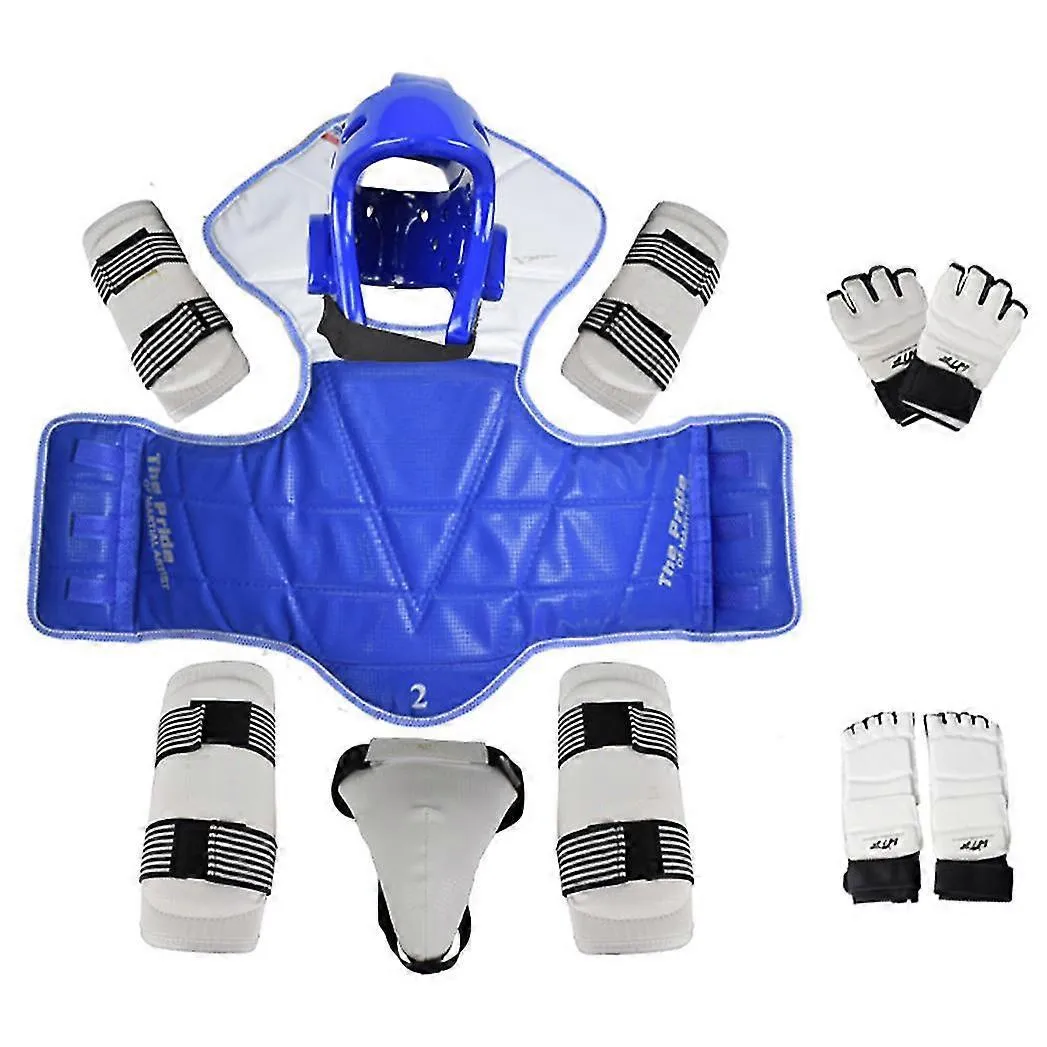
3. Essential Equipment
Here is the equipment you will need to get started:
Dobok (Taekwondo uniform)
White belt
Foot protector
Hand protector
Gumshield
Shin guard
Groin protector
Helmet (for competition)
Breast protector
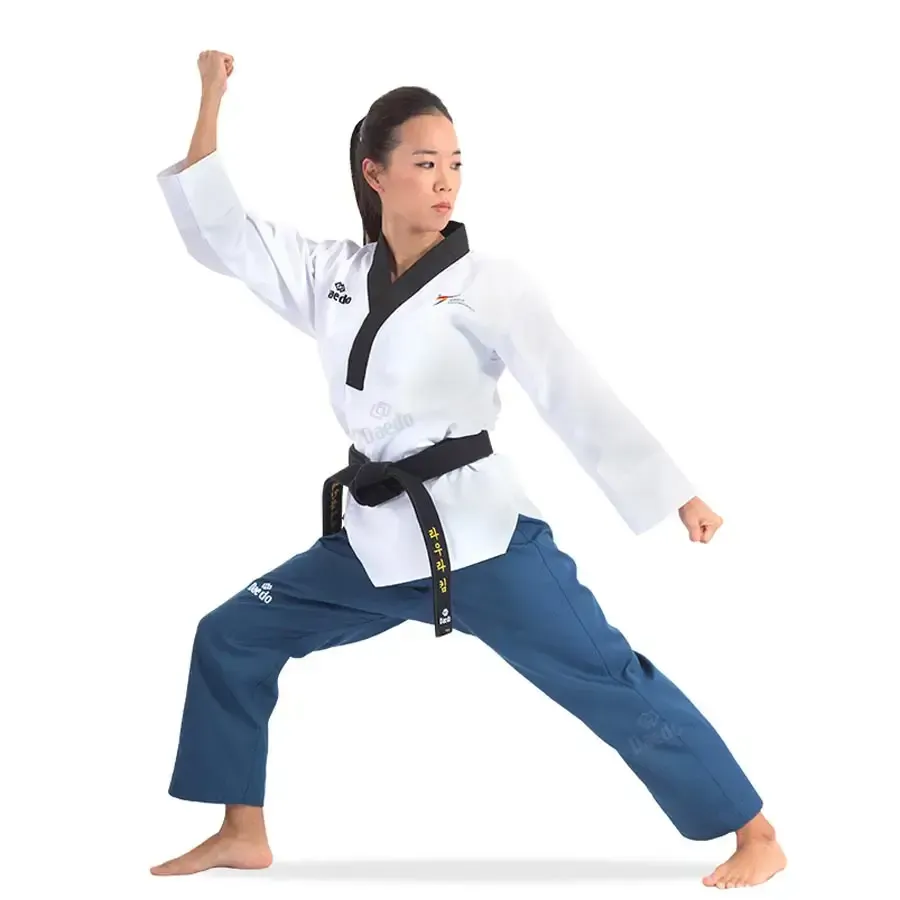
4. Learn the Basic Postures
Correct posture forms the foundation of Taekwondo.
Main postures:
Ready stance
Walking posture
Front position
Horse stance
Back position
5. Basic Punching Techniques
First hand techniques to learn:
Straight punch
Double punch
Lower block
Middle block
Upper block
Outer block
Inner block
6. Basic Kicking Techniques
The most important part of Taekwondo is the kicks.
For beginners:
Front kick
Side kick
Circular kick
Axe kick
Back kick
Spinning kick
At more advanced levels:
Jumping kicks
Double kicks
Combination kicks
360-degree spinning kicks
7. Flexibility Studies
At every training session;
Hip stretch
Hamstring stretch
Waist stretching
Shoulder stretch
Dynamic heating
should be implemented.
8. Fitness Development
Taekwondo requires a high level of physical fitness.
Proposed studies:
Running
Jump rope
Sprint
Burpee
Squat
Exam
Plank
Shuttle
9. Poomsae (Form) Training
Poomsae is the practice of applying specific techniques in a particular sequence.
Skills gained:
Balance
Coordination
Technical accuracy
Concentration
Breath control
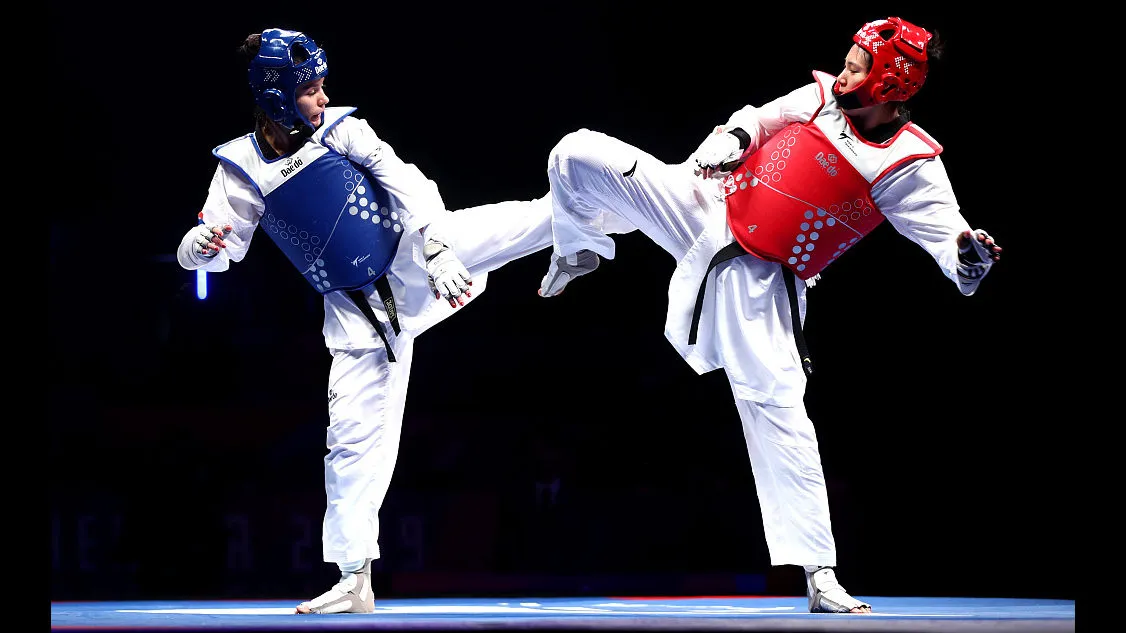
10. Sparring (Competition) Training
This is learned in sparring exercises:
Distance control
Timing
Speed
Defense
Counterattack
Strategy
11th Generation System
General generation ranking:
White
Yellow
Yellow-Green
Green
Green-Blue
Blue
Blue-Red
Red
Red-Black
Black Belt (Dan)
Note: Belt rankings may vary slightly depending on the federation.
Week 12 Training Program
Beginning:
2-3 days a week
60–90 minutes
Intermediate level:
3-5 days a week
Advanced level:
5-6 days a week
13. Nutrition
For training performance:
High-quality protein
Complex carbohydrates
Healthy fats
Vegetables and fruits
Sufficient water consumption
It is important.
14. Common Mistakes
Things to avoid:
Starting training without warming up.
Avoid stretching.
Repeating the wrong technique
Unbalanced posture
Lack of rest
Not using protective equipment
15. Benefits of Taekwondo
When Taekwondo is practiced regularly:
It improves physical fitness.
It improves flexibility.
It improves balance and coordination.
It builds self-confidence.
It contributes to stress management.
It improves reflexes.
Discipline creates habits.
It increases speed and agility.
It improves focus.
It promotes healthy lifestyle habits.
Who can practice Taekwondo?
Taekwondo;
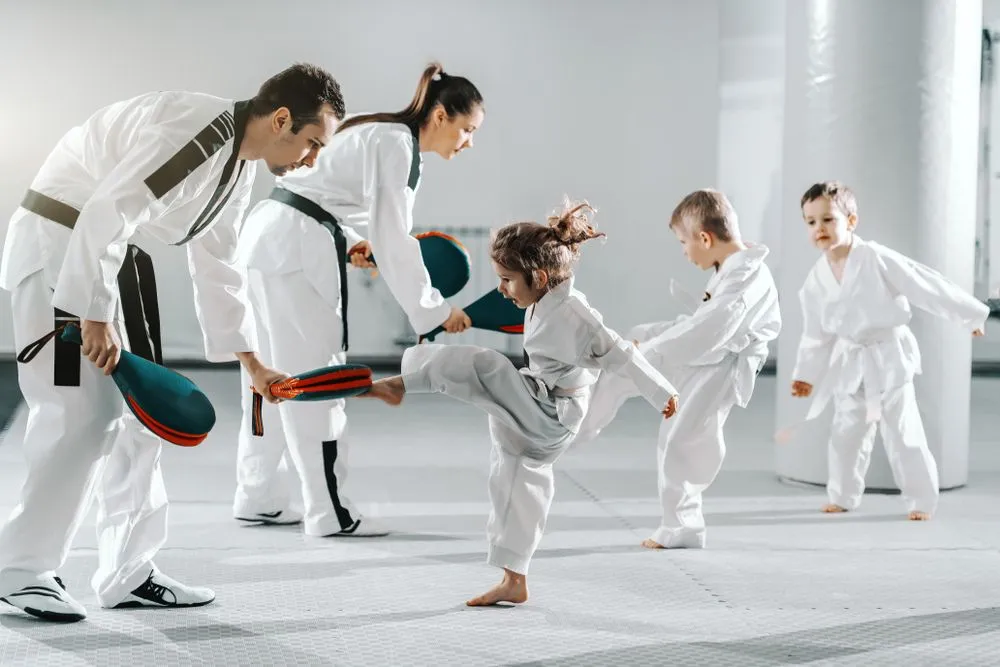
Children
Youth
Adults
Women
Men
Hobby athletes
Professional athletes
It is a suitable sport. The training program can be personalized according to age, health condition, and goals.
8-Week Learning Plan to Get Started
Weekly Goals: 1. Stance, salute, and basic rules; 2. Basic blocks and punches; 3. Front kick and side kick; 4. Circular kick and combinations; 5. Initial poomsae exercises; 6. Basic sparring movements; 7. Conditioning and technique development; 8. General review and preparation for the first belt exam.
Conclusion
Taekwondo is more than just a martial art; it's a way of life built on discipline, respect, self-confidence, and continuous improvement. With regular training, correct technique, and patient effort, significant physical and mental gains can be achieved. Whether you start as a hobby or aim to compete at the Olympic level, Taekwondo is a valuable sport suitable for all ages and a lifelong pursuit.
Keywords: Taekwondo, What is Taekwondo, Taekwondo learning guide, Taekwondo training, Taekwondo course, Taekwondo techniques, Taekwondo belt system, Poomsae, Sparring, Olympic Taekwondo, Taekwondo practice, Taekwondo for beginners, Taekwondo movements, Taekwondo for children, Taekwondo for adults