ANKARA ETIMESGUT VOLLEYBALL COURSE - 8 LESSONS PER MONTH - 2 DAYS A WEEK
Ankara Etimesgut Volleyball Course Content:
Volleyball Court and Training Rules:
Introduction to and History of Volleyball:
Basic Volleyball Techniques:
-
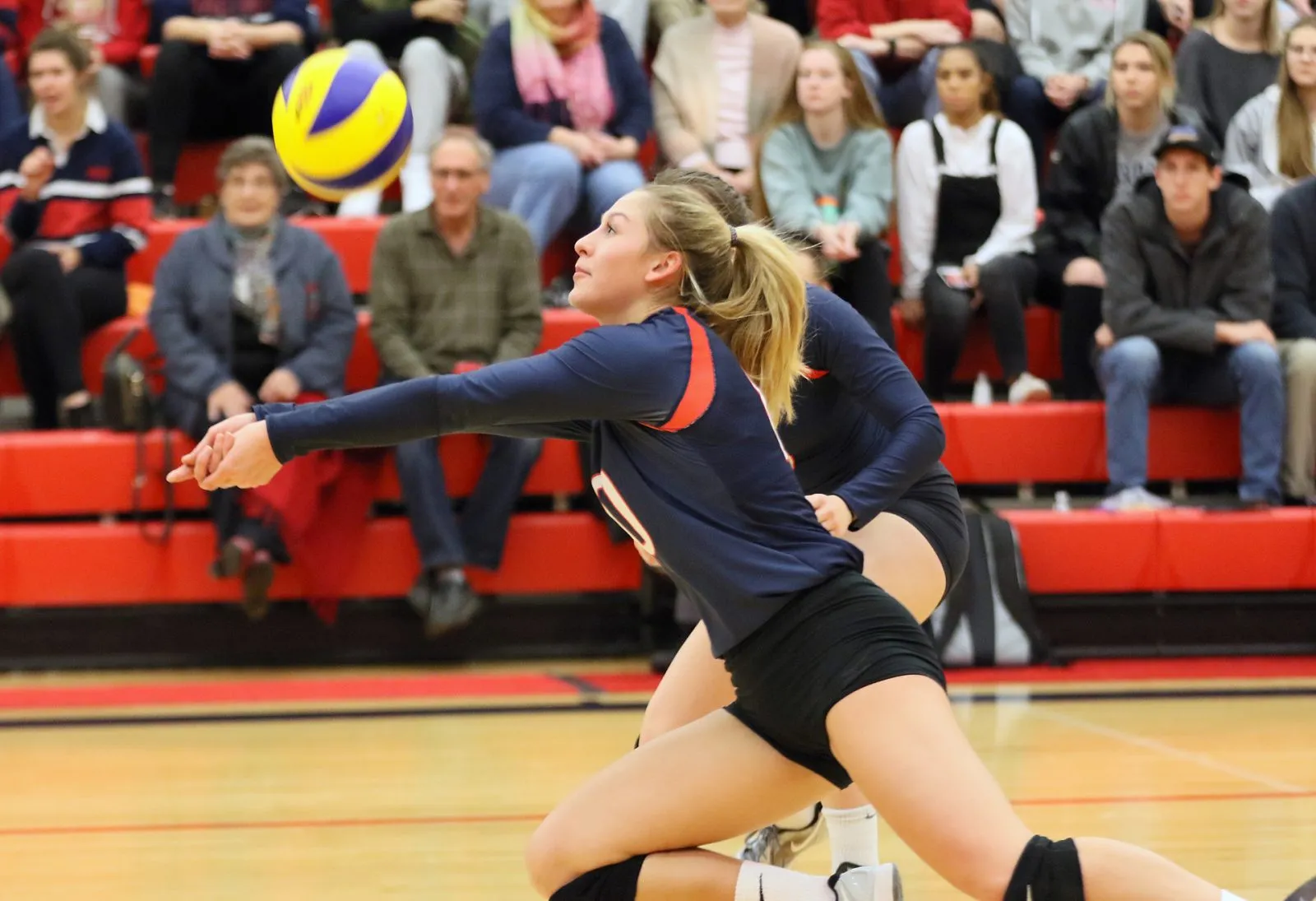
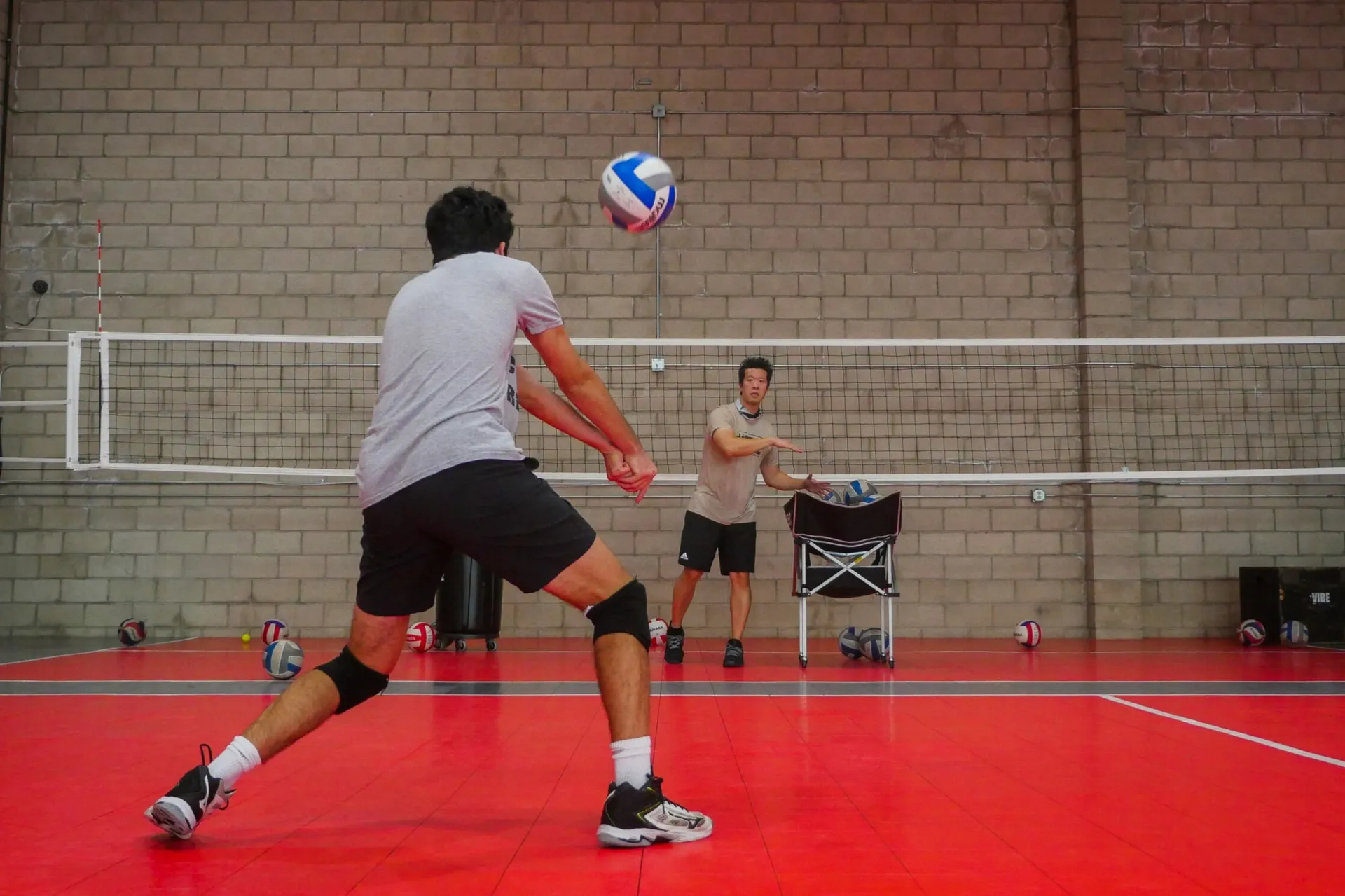
Cuff: Basic passing technique for receiving low balls.
-
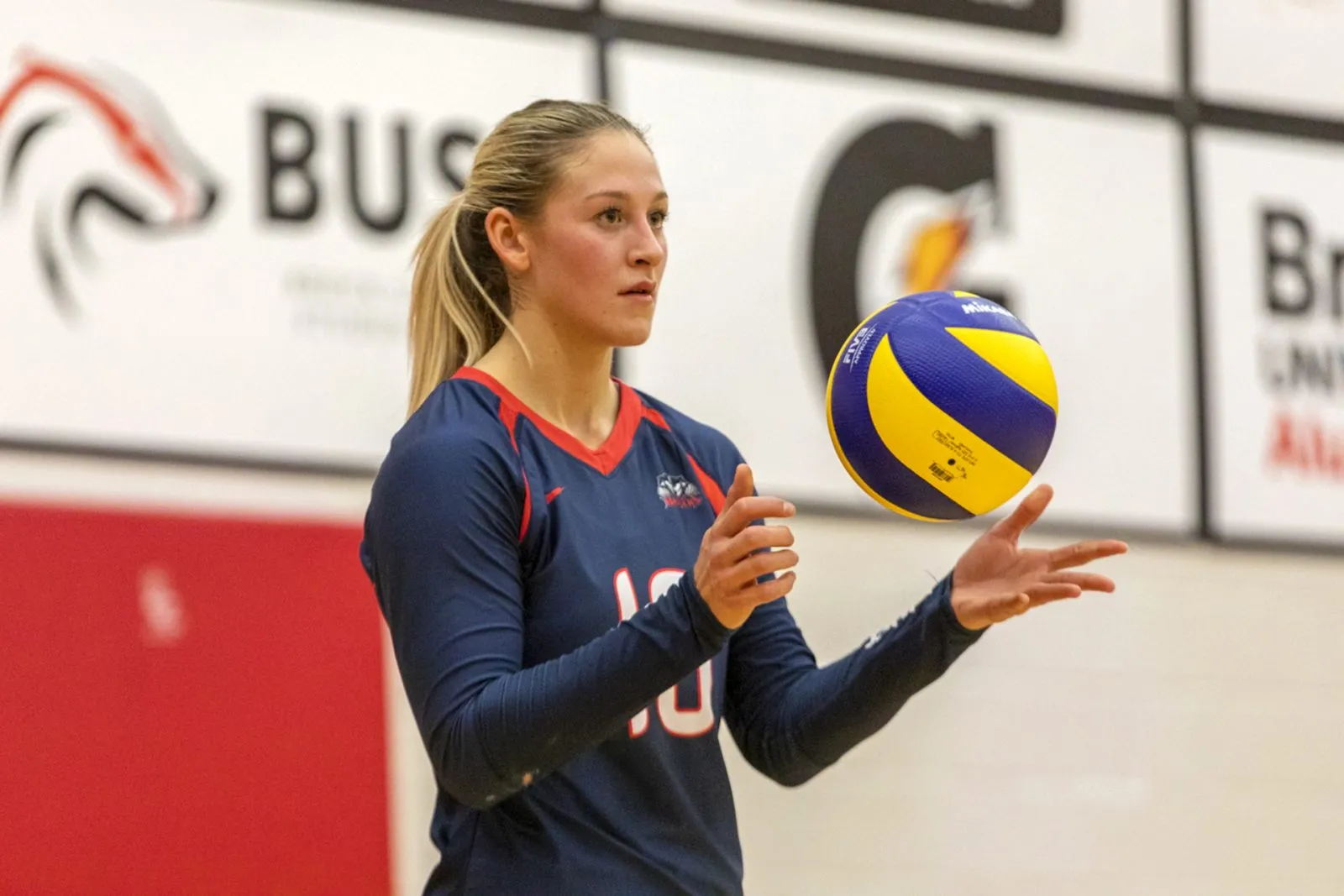
Service: The kick-off to start the game.
-
Slam dunk: A technique involving a quick and powerful strike to get the ball into the opponent's half.
-
Block: A defensive move made to block an opponent's spike.
-
Finger Pass: The technique of passing the ball precisely to a teammate.
Personal Development and Practical Training in Volleyball:
In volleyball Teamwork and Coordination Training:
In volleyball Strategic Game Techniques and Tactical Development:
What is volleyball?
Volleyball is a team sport played with six players on each team, aiming to get the ball into the opponent's court. Each player has a specific position, and the sport requires quick decision-making, reaction time, and endurance.
How to Play Volleyball?
Volleyball is played with a system where the team that wins 3 sets wins the game. To win a set, a minimum of 25 points must be reached, and the opponent must have a lead of at least two points. The game is based on the principle of players sending the ball to the opponent's court with a maximum of three touches.
Volleyball Rules and Rule Violations:
-
Playing the ball four times in a row
-
Touching the net
-
To make a faulty serve
-
Players making positional errors
-
Touching the ball with the foot (Prohibited except in certain circumstances)
What are volleyball techniques?
Volleyball Hitting Techniques:
-
What is a Bounce in Volleyball? A basic passing technique used to receive low balls.
-
What is a Spike in Volleyball? A technique involving a quick and powerful strike to get the ball into the opponent's half.
-
What is a block in volleyball? A defensive move performed at the net to block an opponent's spike.
-
What is a Finger Pass in Volleyball? A technique used to pass the ball precisely to a teammate.
-
What is a serve in volleyball? The serve used to start the game. (There are various types of serves: underhand, side, and spike serves.)
Volleyball Posture and Movement Techniques:
-
Basic Volleyball Stance: A balanced position that allows for quick reaction to the ball.
-
What is a Moving Pass in Volleyball? The ability to move quickly toward the ball and pass from the right position.
-
What are blocking moves in volleyball? Defensive moves aimed at making it difficult for the opponent to launch attacks.
ANKARA ETIMESGUT VOLLEYBALL COURSE WEEKLY PROGRAM
Week 1: Basics Volleyball Information and Warm-up Techniques
-
The history and basic rules of volleyball.
-
Warm-up and stretching exercises
-
Stance positions and basic passing techniques
Week 2:In volleyball Basic Striking Techniques
-
Cuff and finger pass applications
-
Serving techniques and correct execution.
-
Basic spiking techniques and blocking
Week 3:In volleyball Teamwork and Endurance Training
-
Team coordination and positioning
-
Endurance and quick reflexes training.
-
Correct study techniques to avoid mistakes.
Week 4:In volleyball Competition Simulations and Strategic Games
-
Combined defensive and offensive training sessions.
-
Competition simulation and tactical development.
-
Collaboration and communication skills among players
Volleyball Levels and Development Process
Volleyball Beginner Level:
-
Basic stances and passing techniques
-
Serve and slam dunk techniques
-
Basic defensive movements
Volleyball Intermediate Level:
-
Quick passing and shooting techniques
-
Improves coordination and reflexes.
-
Strategic game playing skills
Volleyball Advanced Level:
-
Professional spiking and blocking techniques
-
In-match tactical development and implementation.
-
High-intensity and endurance training
#ankara-etimesgut-volleyball-course #etimesgut-volleyball-course #ankara-volleyball-course #ankara-volleyball-hall #etimesgut-volleyball-coach #ankara-volleyball-coach #ankara-volleyball-camp #ankara-volleyball-course #ankara-volleyball-hall #volleyball-course #ankara-volleyball #etimesgut-volleyball #ankara #etimesgut
Etimesgut Volleyball Course - 8 Lessons per Month - 2 Days a Week
- COURSE Volleyball Course
- LOCATION : Ankara Etimesgut
- NEARBY LOCATIONSEtimesgut, Sincan, Yenimahalle, Mamak
- NUMBER OF COURSES8 lessons per month - 2 days a week
- AGE GROUP Age Range: 7 - 25
- CLASS DAYS AND TIMES: Determined according to the availability of participants.
- COURSE DURATION60 minutes
- PARTICIPATION Group Lesson
Some information regarding the Ankara Etimesgut Volleyball course.
- Ankara Etimesgut Volleyball Course offers a program consisting of 8 lessons, 2 days a week.
- Participants can also attend one day a week if they wish, but there will be no extra fee.
- This course is offered as group classes.
- To learn more about our volleyball courses in Etimesgut, you can check out our other course options.
- For private volleyball courses and one-on-one lesson options, you can check out our additional course programs.
- Course days and times are determined according to the participants' requests.
- A monthly course fee is collected as a membership fee. For long-term course packages and discounted options, please see our other programs.
- Make-up classes are not provided for classes you missed.
- Accelerated course programs are offered for beginners, ensuring adaptation to group level.
Ankara Etimesgut Volleyball CoursesThese classes are held in gyms in Etimesgut. Additional services include the option of sports health insurance. Class durations average 60 minutes, but may vary depending on the program schedule.
INFORMATION ABOUT ETIMESGUT VOLLEYBALL COURSE
The Ankara Etimesgut Volleyball Course is a program designed to promote physical development, teamwork, coordination, and sports discipline for individuals of all ages. This course helps participants improve their volleyball skills and learn teamwork.
Etimesgut Volleyball Course Program
Week 1 of Etimesgut Volleyball Course:
Meeting with the trainees and explaining the basic rules of volleyball.
Warm-up and stretching exercises
Ball control and basic passing techniques (forearm and finger passes)
Week 2 of Etimesgut Volleyball Course:
Footwork and on-field positioning drills.
Serving techniques and ball retention exercises.
Simple passing and teamwork.
Week 3 of Etimesgut Volleyball Course:
Introduction to spiking techniques and wrist strength exercises.
Blocking techniques and defensive drills.
Speed and reflex improvement training.
Week 4 of Etimesgut Volleyball Course:
Serve reception and fast break techniques
Game strategies and opponent analysis
Team communication and coordination efforts
Week 5 of the Etimesgut Volleyball Course:
Compliance with match rules and referee decisions.
Information about sets and game systems.
Position change and on-field mobility exercises.
Week 6 of the Etimesgut Volleyball Course:
Team tactical development and offensive variations
Defensive positions and quick recovery techniques
Technical and tactical in-game applications
Week 7 of the Etimesgut Volleyball Course:
Match simulations and strategy development studies.
Individual player performance analyses
Personal development and fitness improvement program
Week 8 of the Etimesgut Volleyball Course:
Tournament and practice matches
Performance evaluation and resolving deficiencies.
Course completion assessment and certification process.
BENEFITS OF ETIMESGUT VOLLEYBALL COURSE
Physical Endurance:
It strengthens the body and supports overall health.
Flexibility and Coordination in Volleyball:
It improves balance by increasing mobility.
Confidence and Discipline in Volleyball:
It strengthens team spirit and increases an individual's self-confidence.
Developing Speed and Reflexes in Volleyball:
It improves agility, shortening the athlete's reaction time during the game.
Volleyball Defensive and Offensive Techniques:
It helps players develop fundamental volleyball skills, fostering a more informed understanding of the sport.
Volleyball is a versatile sport that promotes physical and mental development for individuals of all ages.
You can book your course for Ankara Etimesgut Volleyball Courses now.
#ankara-etimesgut-volleyball-course #ankara-volleyball-course #etimesgut-volleyball-hall #etimesgut-volleyball-coach #ankara-volleyball-course #etimesgut-volleyball-course #ankara-volleyball-camp #etimesgut-volleyball-training #ankara-volleyball-summer-school #etimesgut-volleyball-summer-school #sincan-volleyball-course #yenimahalle-volleyball-course #mamak-volleyball-course #ankara-volleyball-hall #ankara-volleyball-team