SULTAN SAZLIĞI NATIONAL PARK AND SOĞANLI VALLEY TOUR - 6 Hours
09:30 - Meeting with Guests
- Meeting Point: At the designated location or in front of the hotel.
- To inform: General information about the tour and safety instructions.
09:45 - Departure
- Departure: Departure to Sultan Sazlığı National Park, which comprises the Develi, Yahyalı, and Yeşilhisar districts of Kayseri.
10:30 - Sultan Sazlığı National Park
- Location: It is located within the borders of Develi, Yahyalı, and Yeşilhisar districts of Kayseri province.
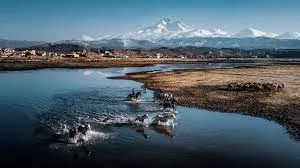
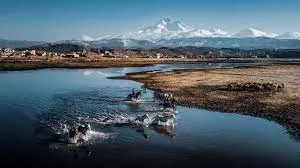
- Features: It is one of Türkiye's largest wetlands and is home to various bird species. It is an important stopover point, especially for migratory birds.
- Places to visit:
- Observation Towers: Excellent areas for birdwatching.
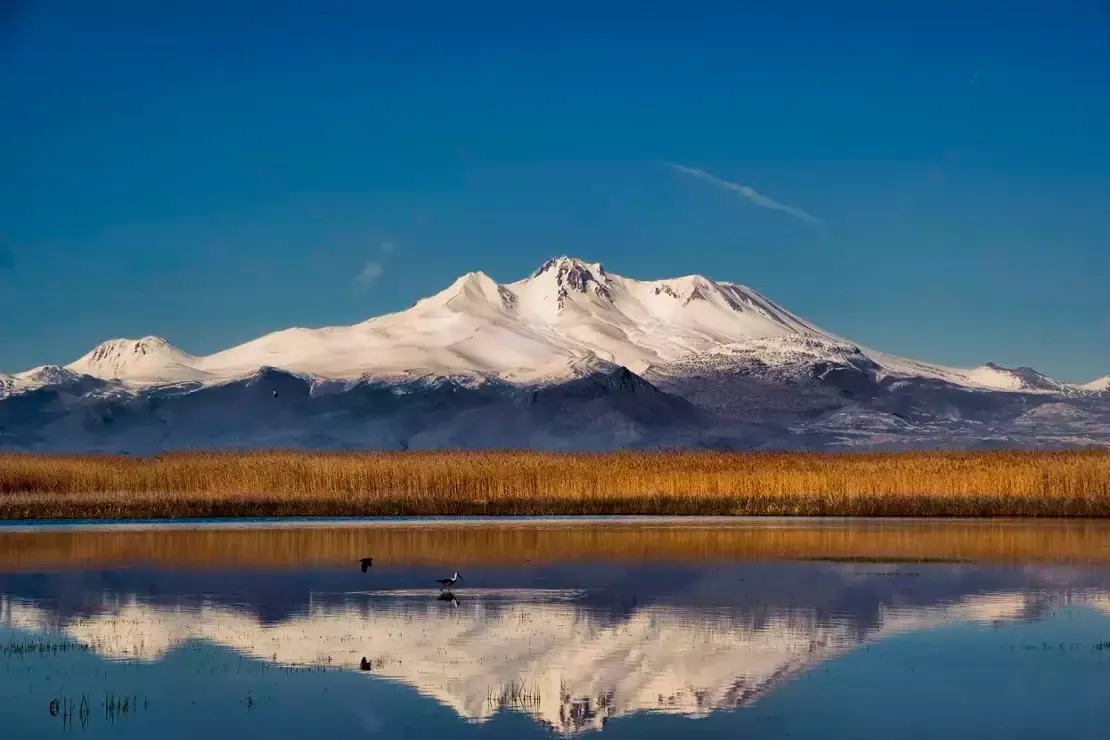
- Wetlands: Natural beauty and ecosystem characteristics.
- Vegetation: Reeds, trees, and aquatic plants.
12:00 - Soganli Valley
- Location: It is located in Soğanlı Village, Develi district of Kayseri.
- Features: It is famous for its unique natural features and historical remains. The valley has paths that wind through the mountains and rocks.
- Places to visit:
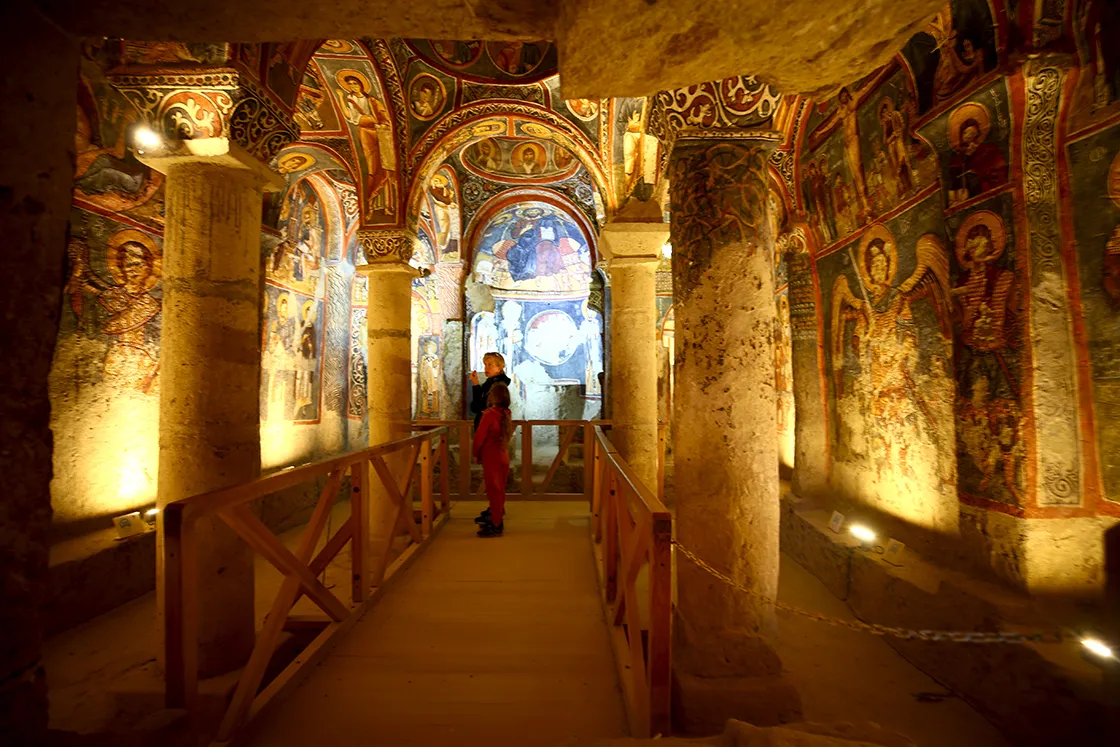
- Cave Houses: Historic residential buildings reflect the old way of life.
- Natural Landscapes: The natural beauty and formations of the valley.
- Hiking Trails: An opportunity to breathe fresh air and be surrounded by nature.
1:30 PM - Lunch
- Restaurant or Picnic Area: Optionally, lunch at a restaurant in the area or at a designated picnic area.
14:30 - Sultan Sazlığı National Park
- Visit Again: If time permits, there's an opportunity to return to Sultan Sazlığı National Park for further observation or hiking.
16:00 - Return
- Departure: Return to the meeting point with the guests.
- Farewell: Thank you and goodbye at the end of the tour.
Additional Information
- Required Items: Comfortable walking shoes, a hat, sunscreen, a water bottle, and a camera or phone.
- Notes: Clothing and equipment recommendations based on weather conditions.
#Sultan-Sazlığı #National-Park #Central-Anatolia #Kayseri #Develi #Yahyalı #Yeşilhisar #Erciyes-Mount #Aladağlar #Elmalı-Mountains #Kartalkaya #İncil-Mountains #sultan-sazligi #bird-paradise #sultansazligi-tour #soganli-tour #soganli-church #underground-city #national-park #cappadocia #cappadocia-sultan-sazligi-tour #bird-watching #erciyes-mountain #nigde-national-park #soganli-valley #mustafapasa #urgup #holiday #underground-city #turkey-national-park #turkey-nature-park #bird-paradise
SULTAN SAZLIĞI NATIONAL PARK AND SOĞANLI VALLEY TOUR - 6 Hours
In the Central Anatolia Region Kayseri within the provincial borders Develi, Yahyalı And Yeşilhisar It is located within the triangle formed by the districts.[2]
North of the area Mount Erciyes (3916 m), east of Develi, Akpınar, Çiçekliyurt mountains (2074–2057 m), its southern part is connected to the Taurus mountain range. Aladağlar (average 3373 m) and Elmalı Mountains (2235 m) and to the West Kartalkaya (1958 m) and With the mountains of the Bible It is surrounded by (1759 m).
Geology of Sultan Sazlığı National Park
Geologically Develi Plain the oldest geological formation DevondurSouth of Yahyal, dating back to the Middle Devonian period (370-410 million years ago). Coral fauna It has been found. The formation of the lake area began in the Miocene epoch. Pleistocene And Holocene in their eras erosion It has begun to fill with materials, and layers have started to form. These layers Limestone, Basalt, Andesite And From the tuff It has formed. Geomorphological The basin, which has a relatively flat structure, has a slope of 2%.
Climate from Sultan Sazlığı National Park
In the Develi basin Anatolian Plateautypical of Continental climate It is observed that summers are dry and hot, winters are cold, and there is a high temperature difference between day and night in summer and winter. The hottest months are July and August (34.2 - 35.5 °C, while the lowest temperature recorded is -18.3 °C).
According to measurements from the last 30 years, the average annual rainfall is 363 mm per square meter.
Water sources in Sultan Sazlığı National Park
100 km2covering an area of ' Develi Plain Sultan Sazlığı constitutes 21,000 hectares of this area. Develi closed basin Sultan Sazlığı, located in the deepest part of the area, features freshwater, saltwater, and brackish open water surfaces, extensive reedbeds and marshlands, and surrounding wet meadows. The waters of Sultan Sazlığı (3300 ha) are freshwater. Its depth is approximately 2 m. The water level varies by 40 to 60 cm depending on the season, and the surface area expands or shrinks accordingly.
The main streams feeding the area are the Yahyalı, Yeşilhisar, and Dündarlı streams, as well as the Develi stream and water originating near Ağcaşar. With increased rainfall in the spring, Sultan Sazlığı, which receives abundant water, expands and, upon reaching a certain height, extends to the north. Tear from his position Yay Lake The water is draining. The Soysallı and Çayırözü springs, located in the northern part of the basin and having a well-functioning water regime, spread towards Yay Lake, forming the Kepir reedbeds; and freshwater flows from these reedbeds to Yay Lake outside the irrigation season. The rising waters in the reedbeds and their flow into Yay Lake enrich this ecosystem, which is not very productive on its own, in terms of organic matter. This situation provides a feeding environment for large bird communities in the area.
The Functions and Values of Sultan Sazlığı National Park
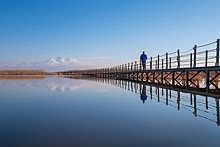
The pier at the entrance to Sultan Sazlığı
Wetlands are ecosystems of great importance for the conservation and maintenance of biodiversity and ecological balance. They regulate the water regime of their region by recharging and discharging groundwater, reducing the destructive effects of floods, and stabilizing the groundwater level. They also positively influence local climate elements, primarily precipitation and temperature, by increasing the humidity of their surroundings. Furthermore, they improve water quality by retaining sediments, nutrients, and toxic substances.
Wetlands, along with tropical rainforests, are among the most biologically productive ecosystems on Earth. Therefore, they provide habitats for thousands of different species of living organisms with both high ecological and commercial value. Because of these characteristics, they are considered natural treasure museums of the world.
Sultan Sazlığı, consisting of diverse habitats such as freshwater and saltwater ecosystems, extensive reedbeds and marshes, and surrounding meadows, pastures, and steppes, is primarily known for its rich nutrient resources. water birds In terms of the wildlife it harbors, it is one of the most important islands not only in Türkiye but also in Europe and the Middle East. from wetlands He/She is one of them.
Due to these characteristics, Sultan Sazlığı is a wetland. in the ecosystem It is a unique and vast open-air laboratory that masterfully showcases the complex relationships and creative power of nature. Therefore, its fame extends beyond national borders, attracting thousands of nature lovers every year. bird watcherScientists and researchers are visiting.
Sultan Sazlığı is located in the Central Anatolia Region, which has a semi-arid and arid climate. It creates a stable groundwater level and a consistently moist environment, offering a beautiful oasis amidst the dried-up steppes. This provides a favorable environment for animal feeding during mid-summer and late summer.
Sultan Sazlığı National Park, Flora and Vegetation
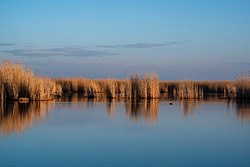
The region, characterized by a semi-arid climate, is dominated by steppe or grassland vegetation. The basin floor features a sparsely vegetated steppe landscape. To the east of the desert lake, Yay Lake Marsh vegetation occupies a large area in the surrounding region and in the Örtülüakar Marsh to the south. Most of the steppe vegetation in the basin is short-lived. The presence of habitats with different ecological characteristics, such as freshwater and saltwater ecosystems, meadows and pastures, agricultural areas and steppes, has resulted in a rich flora in the area.
Studies in the area have identified 65 genera and 177 species belonging to 47 families.
Fauna and ornithological significance of Sultan Sazlığı National Park.
Fauna Importance of Sultan Sazlığı National Park
As a result of research conducted in the wetland ecosystem and the extensive steppe areas surrounding the area From the hymenoptera 35, From Odonata 6, From the mollusks 19, From Pisces 3, From amphibians 3, From the reptiles 10, From Mammalia 21 species have been identified.
The main things seen in the area mammals, eyelash, swamp shrew, bat, Kurd, fox, poppy, spotted weasel, rabbit, mole rat, forest rat, majestic mountain rat, marmot, running mouse, water rat, its name is field mouse.
The lake and reed beds provide plenty of food for the birds. frog And salamander It contains larvae and small fish.
Ornithological significance of Sultan Sazlığı National Park
Sultan Marsh is one of the most important wetlands in Europe and the Middle East due to its diverse bird population. Its freshwater ecosystem, covered with dense reeds and vegetation and rich in nutrients, along with its ecologically related saltwater ecosystem, creates ideal environments for numerous bird species with different ecological requirements, providing exceptional opportunities for feeding, shelter, nesting, and breeding. Two bird migration routes converging on the Anatolian peninsula, spanning the continents of Africa, Asia, and Europe, create this exceptional environment. migration route Its location makes it one of Türkiye's most important wetlands in terms of winter presence. Salt Lake, Lake Seyfe Its proximity to the Ereğli reedbeds and the Mediterranean coastal wetlands with their temperate climate conditions makes Sultan Reedbed an indispensable wetland for birds. 301 bird species have been identified in the region. Of these, 69 species regularly winter here, while 18 species occasionally stop over during winter or migration. The number of nesting species is 119.
Sultan Reedbed, an endangered species. little cormorant, pintail And summer duckThis is one of the important breeding grounds for [bird species] in our country. Other important bird species that nest in the area are: Pied heron, Spoonmaker, common mirror, grey duck, sword beak, Hungarian duck, pochard, white snipe, Greater snipe, pratincole, spurred ladybird, smiling Sumru, little tern, mustachioed tern, Bahri, little bittern, grey goose, teal, mallard, spinner, mallard, cowardly, Sumru, sand-grouse And white-tailed lapwing, Black-headed gull, slender-billed gull And long-legged.
Flamingo They breed irregularly in the region. The last known instance of around 1500 pairs nesting on the islands of Yaygöl Lake was in 1970.
During migration season, some bird populations reach very large numbers. In September and October, the bird gathering period, the total number of birds exceeds half a million. Between September 9-11, 1997, approximately 185,000 flamingos were counted at Yay Lake. This figure is the highest number ever observed in the area at one time.
Bird populations are concentrated mainly during the spring and autumn months. February, July, and August are the lowest. Some birds also overwinter here.
Historical and cultural values of Sultan Sazlığı National Park
Research conducted in the area has shown that settlements in the region date back to very ancient times. Excavations carried out in the mounds in the region, To the Early Bronze Age Many artifacts belonging to the region have been recovered. The area is rich in artifacts from the Hittite and Roman periods. Fractin With its monument At the Imamkulu Monument There are verbs depicting the storm god and the Hittite King and Queen. Develi In the district From the 13th century There are surviving artifacts from the Turkish-Islamic period.
Human activities in Sultan Sazlığı National Park
Agriculture in the Sultan Sazlığı National Park Region
The most important source of livelihood for the local people. agricultureIt is also more common in irrigated areas. sunflower And sugar beet Vegetable and fruit farming have become widespread with the transition to irrigated agriculture.
Sultan Sazlığı National Park and Livestock
Livestock farming is the secondary source of livelihood for the people in the region. A large portion of the pasture lands in the area have been converted to agriculture, and some have been damaged due to defunct businesses. Grazing takes place in the temporary wetlands except during the winter season. Sheep are raised in the surrounding steppes, while cows and buffaloes are raised in the marshy areas. cattle They are being grazed. In the settlements around Sultan Sazlığı, there are approximately 24,000 head of cattle and 38,000 sheep. small livestock a total of 62,000 animals.
Reed harvesting in Sultan Sazlığı National Park
In Sultan Sazlığı, reed harvesting is mainly carried out by the local people, with approximately 1500 tons of reeds harvested annually. A large portion of the harvested reeds is exported abroad. The amount of reeds exported is approximately 300,000-400,000 bundles (each bundle weighing approximately 5 kg) per year. In 1995, a reed tying and storage facility was established in the town of Sindelhöyük. Furthermore, reeds used as roofing material and animal feed in the region constitute an important source of livelihood. Harvesting is mostly carried out in November and December. Phragmites australis And Thypha Reed species belonging to this genus are being cut.
Hunting in Sultan Sazlığı National Park
Hunting has been completely banned in the entire area since the 1982-1983 hunting season.
Sultan Sazlığı National Park Protection and Management
In 1971, the area was transferred to the Ministry of Forestry. Waterfowl Protection and Breeding Area Following its designation as a protected area, conservation efforts were initiated.
The General Directorate of State Hydraulic Works (DSİ) had planned to drain and dry out the entire area in the 1970s. However, thanks to the efforts of volunteer organizations and public institutions, the project was revised, and it was decided to maintain the water level in Yay Lake at 1070.80 m, thus preventing the area from being drained.
Recognizing its importance as a wetland and protected area, Sultan Sazlığı was designated as a protected area by the Council of Ministers' decision dated March 15, 1994, and numbered 5434, in accordance with Articles Two and Three of the International Ramsar Convention (specifically the Convention on the Protection of Wetlands of International Importance as Waterfowl Habitat). Class A It has been included in the Wetlands List.
#Sultan-Sazlığı #National-Park #Central-Anatolia #Kayseri #Develi #Yahyalı #Yeşilhisar #Erciyes-Mount #Aladağlar #Elmalı-Mountains #Kartalkaya #İncil-Mountains #sultan-sazligi #bird-paradise #sultansazligi-tour #soganli-tour #soganli-church #underground-city #national-park #cappadocia #cappadocia-sultan-sazligi-tour #bird-watching #erciyes-mountain #nigde-national-park #soganli-valley #mustafapasa #urgup #holiday #underground-city #turkey-national-park #turkey-nature-park #bird-paradise