TURKEY ALADAĞLAR CLIMBING TOUR - 3 Days
Arrival at Aladağlar National Park/Çukurbağ Village
Accommodation in a guesthouse or campsite.
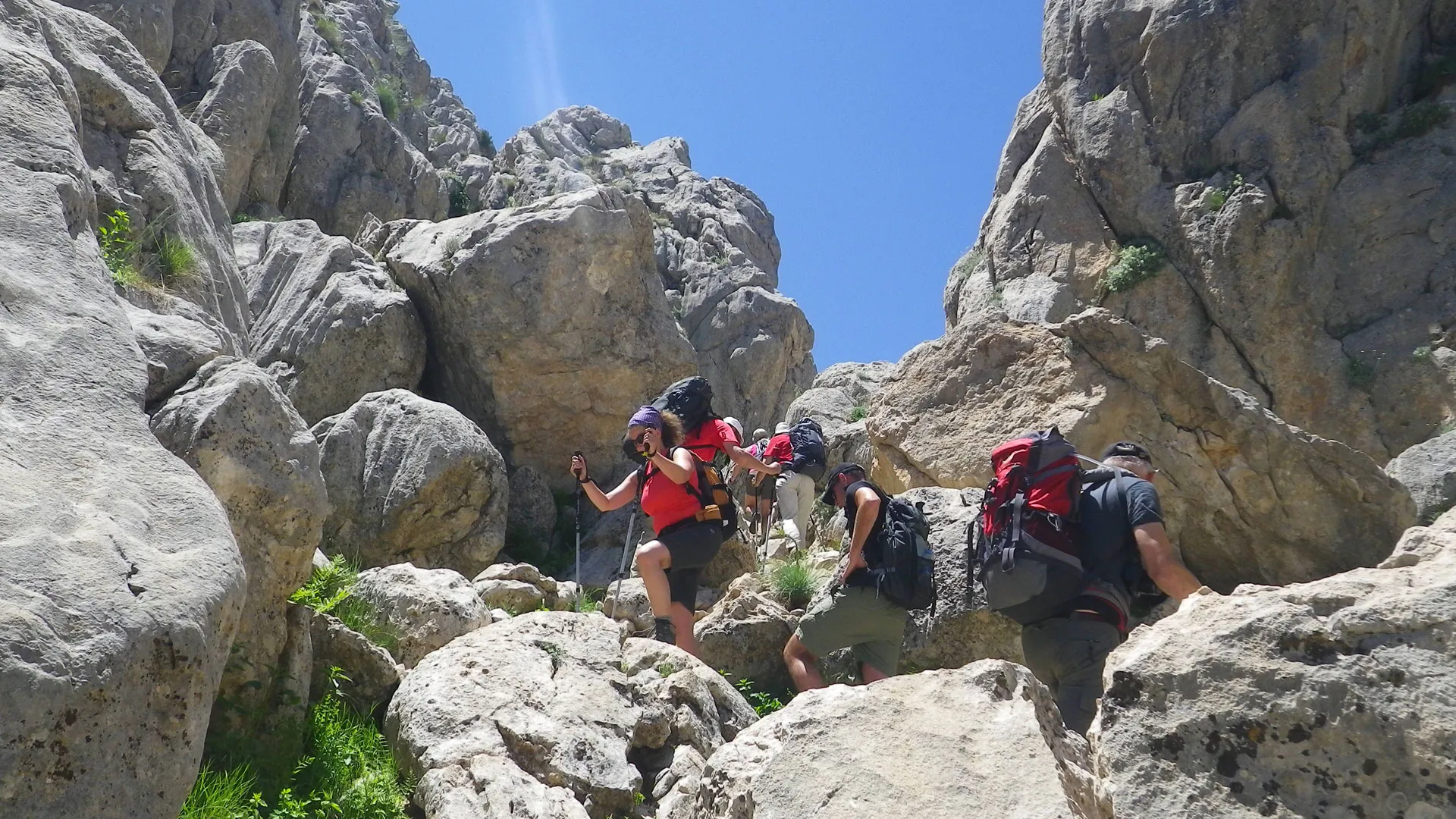
Passing through Cimbar Valley to Teke Pınarı and taking a break.
Access to Dipsiz Lake and camping via the eastern wall of Büyük Demirkazık Mountain.
Early in the morning, a climb to the 3454 m high peak of Yıldızbaşı.
Writing in a diary
Return.
TURKEY ALADAĞLAR CLIMBING TOUR - 3 Days
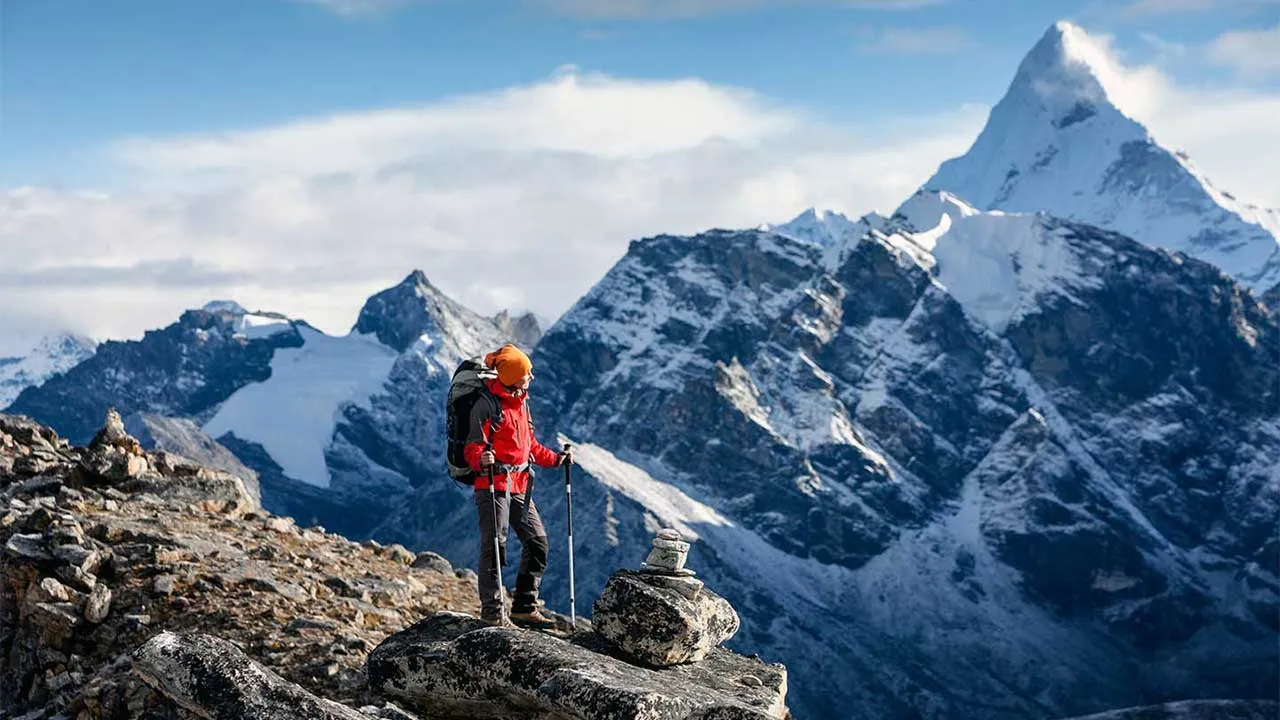
The Aladağlar mountain range, located between the provinces of Kayseri, Niğde, and Adana, is rich in plant and animal diversity. For this reason, a 54,524-hectare section of the mountain was initially protected under the name Hacer Forest Nature Park, and then, in 1995, a slightly larger area was declared a National Park.
Its highest peak is 3771 meters high. Kizilkaya'is[3]. In AladağlarThere are four peaks above 3700 meters suitable for climbing, as well as more than 50 peaks above 3500 meters. These peaks... Niğde ongoing within the provincial borders Taurus mountain folds (Central Taurus Mountains) are the highest peaks.
Professional mountaineering has been practiced in the region for over 100 years. The first recorded ascent was the Alacabaşı climb by geologist Franz Schaffer in 1901.[4]Following this scientifically-driven expedition, a group of European climbers, Georg Künne, Wilhelm Martin, and Marianne Martin, undertook an expedition to the region in the summer of 1927. Iron Stake, KizilkayaThe first ascents of the Eznevit, Kaldı, and Alaca peaks have been made.[4].
Climbing is possible in every season. However, climbers should make this decision based on their own knowledge, experience, and physical capabilities. Winter brings heavy snow, blizzards, and wind, with temperatures remaining below freezing for extended periods. Spring, with rising temperatures, is the season when avalanches are most common. Those climbing between February and May should pay particular attention to avalanche conditions. Climbing activity increases in June and July, when the weather is warmer, snow is less abundant, and the days are longer. Water sources are also plentiful during this period. August and September are the months with the most stable weather conditions and very little rainfall. Although these months are also suitable for climbing, climbers must carry their own water supplies as water sources dry up towards the end of summer.