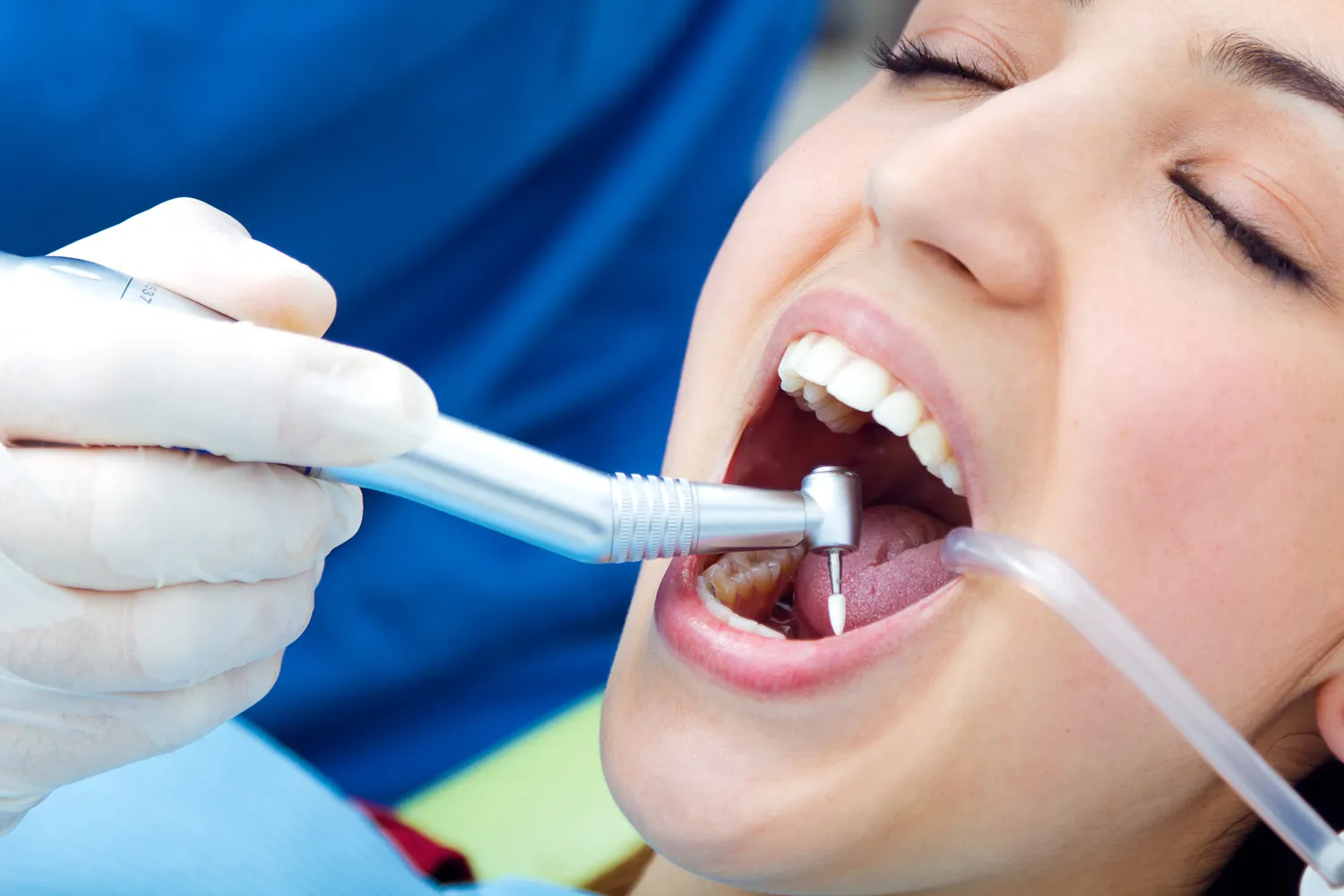
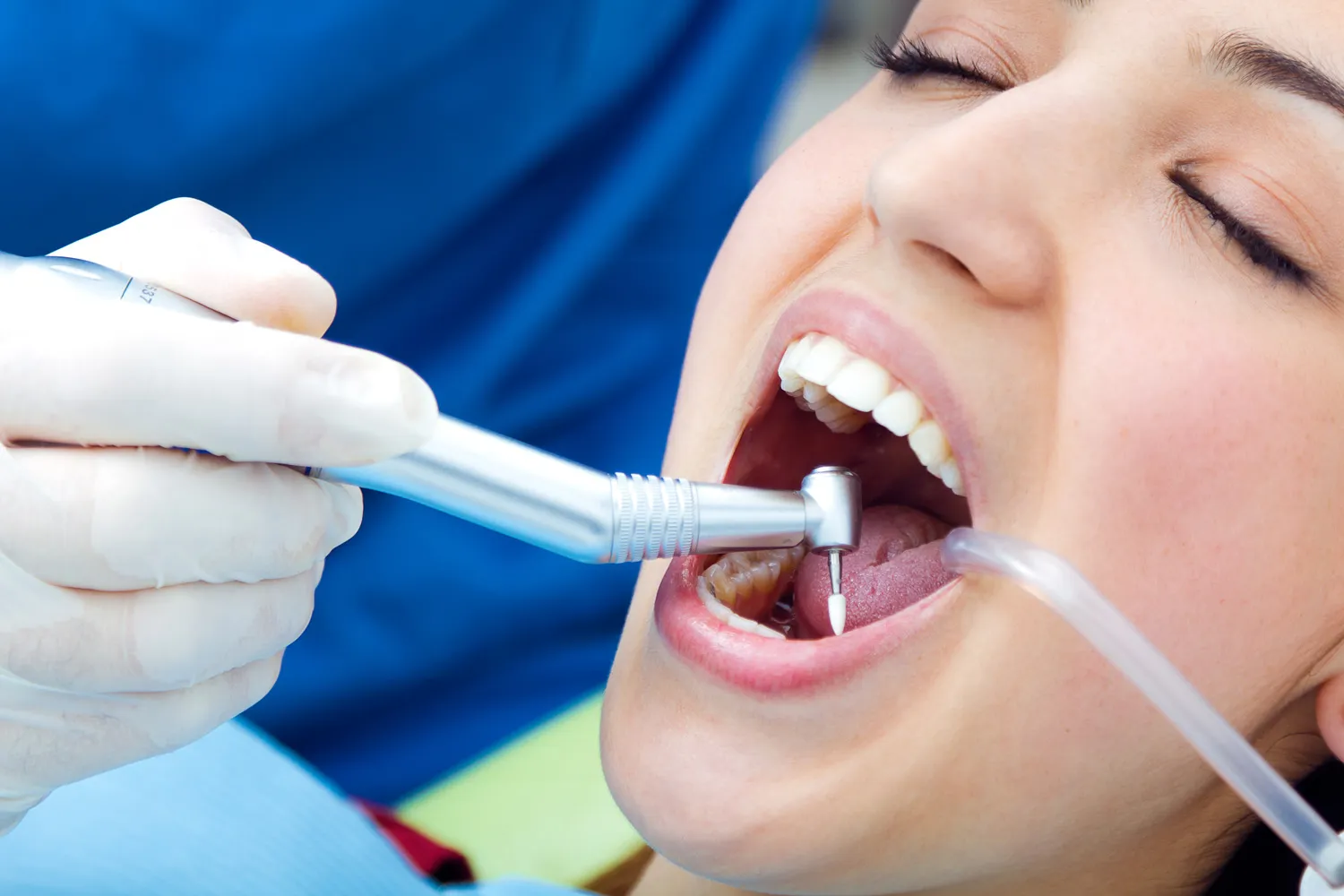
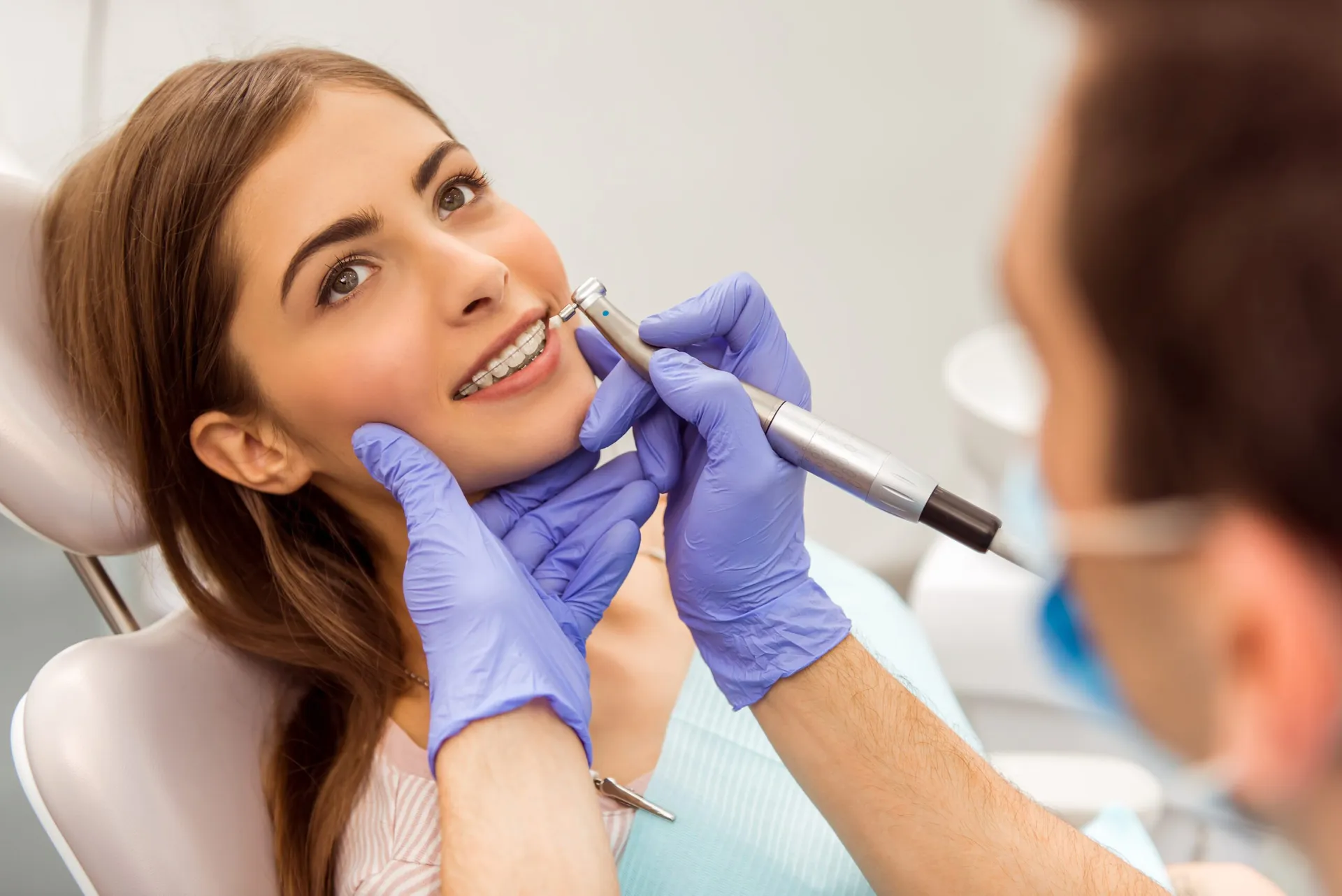
Cappadocia Implant Treatment - Day Trip - No Overnight Stay
Dental Implant Treatments
Missing teeth can significantly negatively impact quality of life, which is why the primary goal in dental treatments is always to preserve the tooth. Even the loss of a single tooth can disrupt the entire balance in the mouth and affect the lifespan of the remaining teeth. Dental implants are treatment solutions that best mimic the structure of natural teeth, restoring lost enjoyment of eating and an aesthetically pleasing smile.
Dental implants, which replace missing teeth, are generally made of titanium compounds. Acting as artificial tooth roots, titanium implants provide excellent compatibility with bone tissue and exhibit high resistance to intraoral forces. Due to their high biocompatibility, titanium dental implants can be applied to previously lost tooth spaces, or, using an immediate implant protocol, they can be placed into the bone immediately after tooth extraction without delay. The goal of implant treatment is not only to close gaps but also to restore comfortable chewing, fluent speech, and an aesthetically pleasing dental appearance.
When sufficient bone level is available, dental implants can be placed in a single session with simple procedures. If sufficient bone level and density are not present, bone graft applications can be used to bring it to an optimal level. Fixed prostheses, removable prostheses, or hybrid prostheses can be applied to dental implants placed in the jawbone. Modern solutions applied in the field of implant dentistry in Nevşehir are described below.
Immediate implant - Immediate Dental Implants – Implant Right Now
The presence and function of our teeth play a significant role in both our social and professional lives. Therefore, the first thought is always to keep our teeth healthy in our mouths. However, for teeth that must be extracted or have already been lost, the fastest and most permanent solution is dental implants.
In traditional implant procedures, it was necessary to wait a long time for the bone tissue to repair itself and for the gaps to fill after teeth were extracted. Today, in modern dentistry, immediate implant placement is possible, and if favorable conditions are met, teeth can be fitted immediately.
Immediate implant placement may not be possible after tooth extractions due to insufficient bone tissue or existing inflammation that could negatively affect the implant-bone connection. Scientific studies focusing on this issue have shown that the success of immediate implant placement is directly related to accurate diagnosis and a correct treatment plan. Similarly, the ability to perform immediate loading (immediate fixed tooth application) depends on the strong position of the implant in the bone during the initial stages. In short, scientific studies have shown that with accurate diagnosis and the right treatment approaches, individuals with tooth loss can regain their teeth in as little as a few days. The number of days spent without teeth is decreasing, and today, implant treatment can be successfully performed in a single day.
Immediate Fixed Teeth and Immediate Implant Teeth Procedures Most Commonly Provide Solutions to the Following Situations:
In cases of completely edentulous upper jaw, fixed teeth can be placed immediately with preferably 8 implants, or 4-6 implants depending on bone condition.
In cases of completely edentulous lower jaw, fixed teeth can be immediately fitted with preferably 6 implants, or 3-4 depending on bone condition.
In cases of single tooth loss in the posterior regions of the lower or upper jaw, a fixed tooth can be placed immediately after implant placement.
If multiple teeth are missing in the back regions of the lower or upper jaw, fixed teeth can be fitted immediately after at least two implants are placed.
In cases of aesthetic tooth loss in the front region, fixed teeth can be fitted immediately. However, the contact between these teeth and the teeth in the opposing jaw must be eliminated.
All on four implant - All on Four Implant Teeth - All on 4 and All on 6
For individuals who have lost all their teeth or are on the verge of losing them, finding a solution quickly is invaluable. Time is a priceless commodity, and no one wants to waste time on lengthy treatment protocols. All-on-four or six treatment methods have provided a solution to the time problem in dentistry. In this treatment method, fixed teeth can be placed immediately after tooth extraction, or if teeth have been extracted previously, after bone preparation is completed. The clinical success of this technique, which has been applied for over 30 years, has been proven.
When jaws that have been neglected for a long time due to various reasons are examined, gum diseases, root infections, bone loss, or anatomical changes may be encountered. In such cases, providing treatment with traditional methods becomes very difficult.
In jaws where all teeth have been lost, the number of implants needed varies depending on bone levels and individual anatomical factors.
When applying All On 4 or All On 6 Six to the upper jaw;
It consists of wider surfaces compared to the lower jaw.
The frontal area is important because it is the first thing people notice when smiling, and it is therefore referred to as the aesthetic area.
Bone density is lower in the lower jaw compared to the lower jaw, meaning the bone is more porous, and therefore implants take longer to fuse with the bone.
The back of the upper jaw contains sinus cavities that aid in breathing, and the bone is generally shorter in these areas. Therefore, bone augmentation procedures, angled implants, or short implants may be preferred in this region.
For all these anatomical reasons, all-on-six implant prostheses (supported by 6 implants) are generally preferred to create a stable support structure in the upper jaw.
During all-on 4 or all-on 6 procedures on the lower jaw;
The bone narrows in relation to the upper jaw and consists of pointed surfaces.
Bone density is higher in the upper jaw compared to the lower jaw, so implants adhere more firmly to the bone and the healing rate is high.
Thanks to the strong support of the bone tissue, the all-on-four method, which involves placing one implant in each posterior region and two implants in the anterior region, for a total of four implants, is preferred.
In what situations can all-on-four or all-on-six be applied?
This procedure can be applied to anyone who has lost all their teeth or is about to lose them, and who wants dental work done immediately, provided they do not have any health problems that would prevent simple implant procedures.
What are the advantages of the All on Four or All on Six method?
There is no need to use lengthy, advanced surgical methods to correct bone deficiencies.
The time spent without teeth is minimized, offering a solution that doesn't affect work or social life.
The solution is provided without affecting the anatomical structures of the jaws.
Since the dentures can be fitted immediately, it does not create any restrictions on eating or drinking.
Because the dentures are fitted immediately, they do not cause speech difficulties.
Sutureless Dental Implants
With the development of three-dimensional imaging technologies, various diagnostic tools can determine the exact placement of the implant within the bone. The combination of the surgeon's experience and planning based on three-dimensional CT scans reduces the need to cut and separate the gum tissue, making it possible to place the implant without sutures. Sutureless implant placement minimizes trauma to the treatment area, reduces the risk of swelling and pain after the procedure, and thus ensures a more comfortable and faster recovery period.
Guided Dental Implants – Dental Implants with Guided Prosthetic Teeth
In traditional methods, the area where the implant will be placed in the bone is determined visually during the procedure and largely relies on experience. Today, with the help of computer-aided three-dimensional imaging techniques, the jaws can be evaluated in detail from all angles, and the most suitable area for the implant can be determined with the help of guide programs. Thanks to computer-aided guided implant applications, the margin of error in fixed dental prostheses to be placed on implants is minimized, and time is saved.
Dental Implant Treatment for Weak Jawbones
For initial stability and long-term survival of the implant at the time of placement, it must be surrounded on all sides by at least 1.5-2 mm of bone tissue. In addition to clinical examination, a detailed analysis of the bone tissue in the implant placement area using computer-assisted three-dimensional dental tomography is of great importance.
If insufficient bone tissue is detected in the implant area, new bone tissue can be formed in both the upper and lower jaw using various methods. These methods are as follows:
Sinus Lift – Sinus Surgery The sinus cavities located in the posterior region of the upper jaw often lead to the formation of thin bone tissue in this area. Sinus Lift technique allows for vertical improvements to this bone tissue.
Ridge Split – Bone Spacing or Sandwich Technique: This technique involves placing an implant between bone fragments that are separated in the middle in cases of thin bone formations that gradually narrow in the vertical direction.
Block Graft Technique: This technique involves transferring blocks of bone taken from productive bone areas such as the jaw corner or hip to a weaker area.
Sinus lift, sinus lifting
Sinus Lift – Sinus lifting or sinus surgery
Sinuses are air spaces located in the upper back region of the upper jaw that are responsible for breathing. Located in close proximity to the upper molars, the sinuses can sag downwards when these teeth are lost, weakening the surrounding bone tissue.
Sinus lift procedures can be performed using either open or closed techniques. In the closed technique, bone graft material is added through a thin channel-shaped opening prepared for the implant; this is preferred when relatively less bone graft is needed, and the implant is usually placed into the bone in the same session. In the open technique, a window is opened from the side to the implant area, and bone graft material is added through this opening. If sufficient stability is achieved, the implant can be placed in the same session; however, if implant placement is not possible, bone tissue formation is awaited for a period of approximately 6 months.
Sinus surgeries require high precision and depend on the surgeon's experience. The goal is to strengthen the weakened bone tissue without damaging the sinus anatomy. Once sufficient bone tissue is available in the area, implant placement can be easily performed.
In cases where there is even a small amount of bone tissue around the sinus, short implants may be preferred, or angled implants can be used to place dental implants in front of and behind the sinus cavities. Although the application areas are limited, this allows for treatment solutions without the need for sinus surgery.
General Health Problems and Dental Implants
In dentistry, the holistic health of the individual is paramount. Oral and dental health is closely related to health problems affecting the entire body. Missing teeth and edentulism, in addition to aesthetic problems, hinder healthy eating because food cannot be properly chewed. Furthermore, the resulting deprivations in social and professional life can lead to psychological trauma. Therefore, physical and psychological health should be considered when planning implant treatments.
As with any treatment method, there are situations where dental implants cannot be applied. These situations, where implants should not be used, are called "contraindications." Contraindications are classified into two different categories: local and systemic. Local contraindications generally involve structures such as the gums, bone tissue, and soft tissues, and have solutions that take time to resolve. Systemic contraindications, on the other hand, are related to general health problems and affect implant applications in many ways.
The following section, which will explain the relationship between systemic diseases and dentistry, is based on scientific articles and contains medical terminology. The information presented here is for informational purposes only; scientifically accepted truths vary. Please do not draw conclusions about your current illnesses and medications without consulting your doctor!
Cardiovascular Diseases
Blood-thinning medications, commonly used in cardiovascular diseases, should be thoroughly investigated before surgical procedures, and consultation should be held with the treating physician. In conditions such as high blood pressure, heart failure, atherosclerosis, and coronary artery disease, the amount of oxygen carried in the blood decreases, negatively impacting tissue nourishment. Despite these side effects, research has shown no negative impact on the bone-to-bone bonding of dental implants, and they have been clinically successful. Additionally, it has been proven that calcium channel blockers (such as Adalat), also used in these diseases, can slow bone loss due to their positive effects on calcium metabolism. It is estimated that these positive side effects also play a role in implant success.
Diabetes Mellitus
The most important oral manifestations of diabetes are dry mouth, excessive cavities, oral thrush, and gum disease. The most significant side effect affecting implant treatments is delayed wound healing. Scientific studies show that the success rate of dental implant treatments in diabetic patients with controlled diabetes is no different from that in healthy individuals.
It is essential to evaluate blood test results before the procedure and, if necessary, consult a qualified doctor in this field. For successful dental implant placement in diabetes, maintaining blood glucose levels within normal limits before and for two months after the procedure is crucial.
Immune System Disorders and Corticosteroid (Cortisone) Use
Corticosteroids are miracle drugs that reduce inflammation, preventing swelling and pain associated with inflammation. Due to their superior properties, corticosteroids are preferred in many systemic disorders, but their most important side effects are weakening the immune system and delaying wound healing. Considering these dose-dependent effects, the correct treatment plan is determined by the physician. Antibiotic use is recommended after tooth extraction and implant procedures.
Osteoporosis
Bone loss is a disease characterized by decreased new bone formation and weakening of bone tissue with increasing age. Bone loss in the jaws is not different in character from other bones in the body. Sufficient bone level before implant treatment is enough for the clinical success of the implant. Scientific studies have shown that after initial stability is achieved, bone loss does not affect the long-term survival of the implant. In summary, bone loss is not a complete contraindication for dental implant treatments. Nevertheless, a detailed evaluation of oral and general body health before the procedure is essential.
Bisphosphonate Use
Bisphosphonates are frequently used against osteoporosis and bone tumors. However, they are among the preferred drugs for most bone diseases. They suppress the cells responsible for bone destruction and slow down bone loss. Dental implants can be applied after evaluating the duration and dosage of oral bisphosphonate use. However, implant treatments are not recommended for diseases in which bisphosphonates are administered intravenously.
Radiotherapy – Radiation Therapy
Radiotherapy applied to the head, neck, and surrounding tissues reduces vascularization, slows blood flow, reduces oxygen transport in the blood, and delays tissue healing. This increases the risk of bone loss. In patients undergoing radiotherapy, implant-bone bonding may be delayed or even result in failure. Studies have shown that hyperbaric oxygen therapy before implant placement increases the chances of success in patients undergoing radiotherapy. Applying radiotherapy shortly after implant placement can lead to significant changes in the success rate.
Ectodermal Dysplasia
Ectodermal dysplasia primarily affects the skin, nails, hair, and teeth. This genetically inherited disease typically presents with multiple missing teeth in the oral cavity. Due to the generally small and narrow bone structures, traditional prosthetic methods are insufficient for oral treatments. The permanent and effective treatment method is dental implants.
Dental Implant Prostheses
The main goal of implant treatment is to restore the quality of life, functional abilities, and aesthetic appearance that individuals have lost along with their teeth. Prostheses custom-made for this purpose, supported by implants, are called implant-supported prostheses.
Fixed Implant Dental Prostheses
These are prostheses applied by cementing or screwing onto implants. They cannot be removed by the patient. Metal-supported porcelain, zirconium porcelain, monolithic zirconium, and durable composite materials can be preferred as substructure materials. For cemented fixed prostheses, at least 6 implants are required in one jaw, and for screw-retained fixed prostheses, at least 4 implants are required in one jaw.
Removable Implant Dental Prostheses
These are removable dentures that have parts supported by both the palate and the implant. They are particularly preferred in cases where an insufficient number of implants can be obtained or where cleaning around the implants is difficult.
Periimplantitis (Inflammation around the implant)
Periimplantitis is inflammation of the bone surrounding the implant. It most commonly occurs in cases of inadequate oral care and poor hygiene. Bone loss due to inflammation can occur, leading to implant failure.
Treatment methods vary depending on the level of inflammation. The primary goal is to remove the inflamed tissue. In early-stage periimplantitis, a deep cleaning without lifting the gum tissue may be sufficient. In advanced cases of inflammation, detailed procedures involving lifting the gum tissue are necessary to allow for bone regeneration around the implant.
Dental Implant Treatment in Türkiye - Cappadocia - Day Trip - No Overnight Stay
*This is for our guests who are experiencing dental problems and wish to have dental implant treatment in Türkiye.
*At Nevşehir Akademia Dental Clinic, the following dental implant treatments are performed professionally by expert physicians.
-Immediate Dental Implant – Immediate Implant
-All on Four Implant Teeth - All on 4 and All on 6
-Sutureless Dental Implants
- Guided Implant Dentistry – Dental Implants with Guided Dental Prosthetics
- Dental Implant Treatment for Weak Jaw Bones
-Sinus Lift – Sinus lifting or sinus surgery
-General Health Problems and Dental Implants
- Dental Implant Prostheses
- Periimplantitis (Inflammation around the implant)
*Implant examination is a day-case appointment - no overnight stay required. Your specialist physician will guide you throughout the treatment process.
*Implant treatments can take 3 to 6 months. Your doctor will guide you throughout this process.
*Our implant treatments are performed at Akademiya Dental Hospital, a fully equipped dental hospital.
*If necessary, guest accommodations for this program are provided in boutique hotels in Cappadocia/Nevşehir. The specialist doctor may accommodate the patient in the hospital if they wish.
*Transportation within Cappadocia/Nevşehir is included in the price.
*All dental examinations by specialist doctors, imaging and diagnostic tools, basic health procedures, and implant placement at Akademiya Dental Hospital are included in the price.
*You can request an online consultation with a specialist physician. Online consultations are subject to a fee. Online consultations do not provide diagnosis or treatment services; they only provide information about general health conditions.
*Transportation between cities within Türkiye and international travel are not included in the price.
*Companion fees are not included in the price. You can add companions for those traveling with you from the Extras section.
*Detailed information about the dental implant procedure can be found in the "Program" section.
*If you cannot find the information you are looking for on this page, you can check the "Frequently Asked Questions" section or write to "SUPPORT".
#turkey #dental #treatment #dentaltreatment #turkiye #teeth #treatment #hospital #dentalhospital #cappadocia #nevşehir #dentist #toothextraction #toothpuller #implant #dentalveneer #zirconium #braces #orthodontics #teethwhitening #pedodontics #signal #ipana #toothbrush #toothpaste #periodontology #dentalhospital #aksaray #niğde #istanbuldentist #toothbrush #toothpaste #health #medical #dentaldoctor #dentalesthetics #wisdomtooth #dentalveneer #zirconium