Taekwondo Techniques: From Basic Movements to Advanced
A Comprehensive Guide to Techniques
Taekwondo originates from Korea. speed, balance, flexibility,
coordination and technical control It is one of the important defense and combat sports where they are used together.
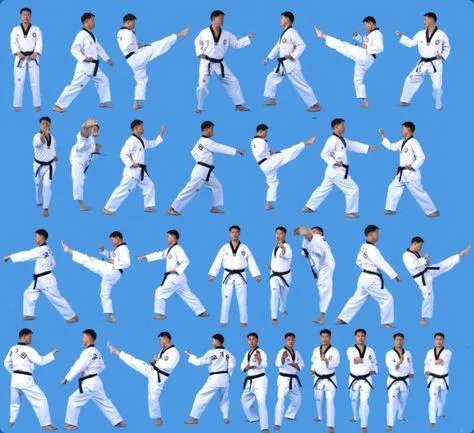
Although kicking techniques come to mind when Taekwondo is mentioned, this sport has a very broad technical infrastructure, from stances to punches, blocks to footwork, kicks to poomsae training.
Learning Taekwondo techniques correctly doesn't just mean memorizing movements. Each technique must be applied at the right time, at the right distance, with balance and control. Therefore, learning techniques with an experienced instructor is of great importance, especially at the beginner level.
What forms the basis of Taekwondo techniques?
In Taekwondo, before moving on to advanced movements,
basic techniques must be learned. Because a correct stance or foot position directly affects the quality of the kick or defensive movement that will be applied later.
Basic education typically includes:
- Posture
and foot positions
- Foot
studies
- Hand and arm techniques
- Blocking
and defensive movements
- Basic kicks
- Balance
and coordination
- Flexibility
studies
- Breathing
and movement control
It is emphasized.
These exercises both build the athlete's physical foundation and prepare them for more advanced techniques.
Basic Taekwondo Stance
Postures are the starting point of taekwondo techniques.
Balanced body positioning, correct use of the center of gravity, and
appropriate foot positioning help in the more effective application of techniques.
During posture exercises, leg position, knee angle, torso position, and weight distribution are important.
The more stable the posture, the easier it is for the athlete to maintain their balance during movement.
Taekwondo Fist Techniques
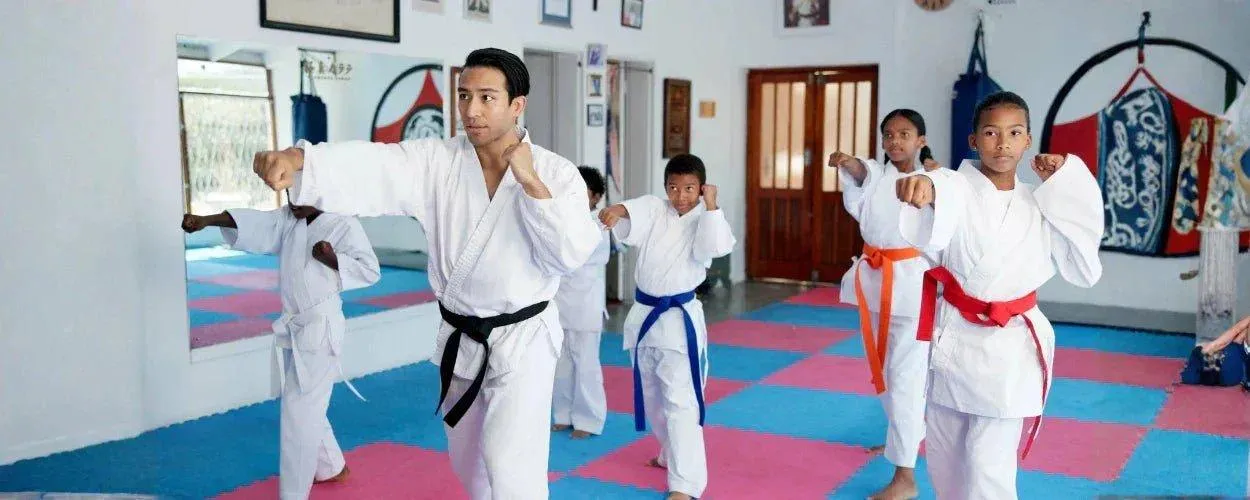
Although Taekwondo is best known for its kicks, punching techniques are also an important part of the sport.
Straight punchThis is one of the basic hand techniques. Besides the controlled direction of the fist towards the target, it is important that the shoulder, hip, and torso work in harmony with the movement.
In punching exercises, instead of focusing solely on the use of the arm,
the emphasis is on the coordinated movement of the entire body.
Taekwondo Blocking and Defensive Techniques
Self-defense techniques also hold an important place in Taekwondo training. Blocks are fundamental movements aimed at enabling the athlete to protect themselves against incoming attacks and to take the appropriate position.
In addition to arm and hand positions in defensive drills distance,
timing and body movements It is also important.
The aim of the techniques is not only to counter the incoming attack,
but also to ensure that the athlete maintains their balance and gets into the appropriate position for the next move.
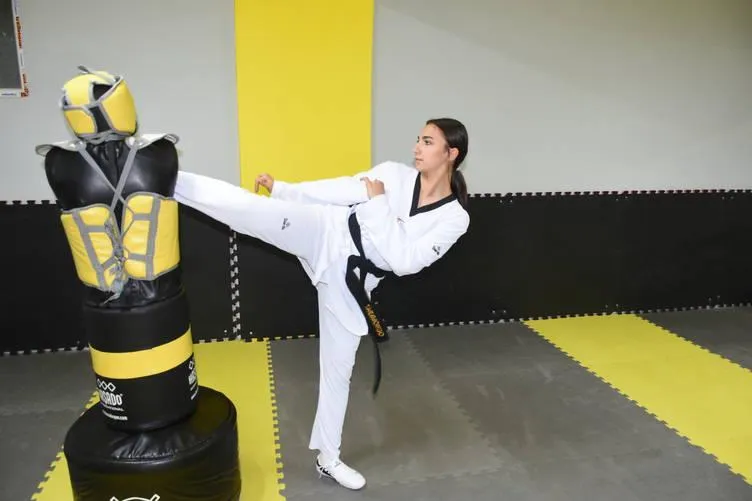
Taekwondo Kicking Techniques
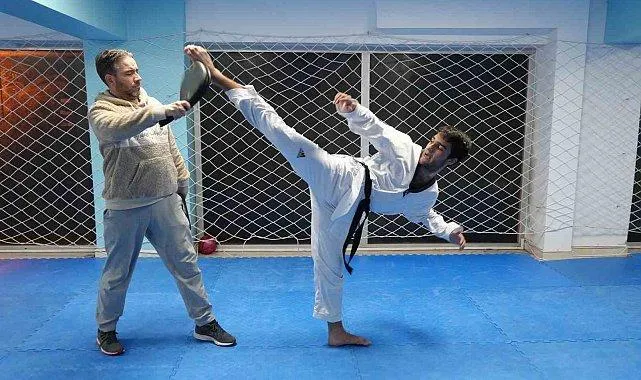
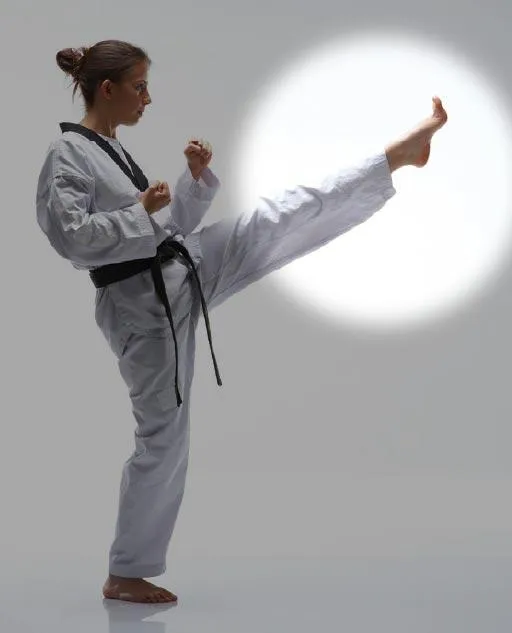
One of the most important features that distinguishes Taekwondo from many other combat sports is its rich repertoire of kicks.
Kicking techniques require leg strength as well as flexibility,
hip mobility, balance, speed and coordination requires.
Front Kick – Ap Chagi
Ap Chagi is one of the basic taekwondo techniques. The knee is raised forward and the leg is extended forward in a controlled manner.
One of the reasons it's taught at the beginner level is that it's a suitable technique for understanding basic kicking mechanics.
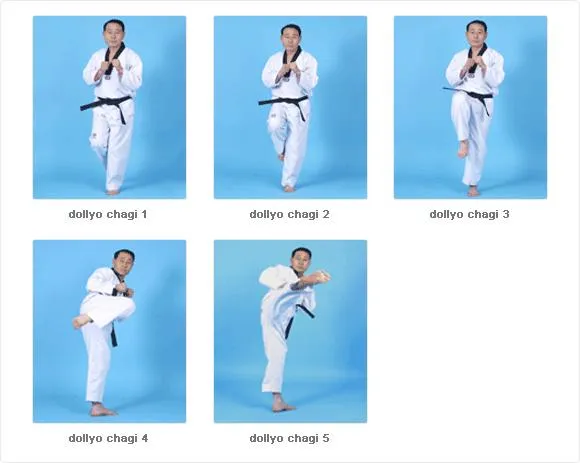
Round Kick – Dollyo Chagi
Dollyo Chagi is one of the best-known kicking techniques in Taekwondo.
The rotation of the hips and torso plays an important role during the kick.
For the movement to be performed correctly, not only the leg but also
the rotation of the entire body must be used correctly.
Side Kick – Yop Chagi
Yop Chagi is one of the powerful kick techniques performed by turning the body to the side.
In this technique, balance, hip position, and correct leg alignment are important.
Kick Back – Dwit Chagi
Dwit Chagi is a technique performed by rotating the body backward.
Balance and directional control are of great importance during the rotation.
Especially at the beginner level, these types of rotational techniques should be practiced in a controlled manner under the supervision of a coach.
Rotating and Advanced Taekwondo Techniques
As the athlete reaches a sufficient level in basic techniques, they can move on to more complex movements. Spinning kicks, jumping techniques, and combinations of different kicks can be included in advanced training.
In these techniques, it is not enough for the movement to be just strong. Maintaining balance during the turn, moving at the right time, and
completing the technique in a controlled manner. is necessary.
Learning advanced techniques varies from person to person.
Therefore, it is important for athletes to progress in a way that suits their own physical level.
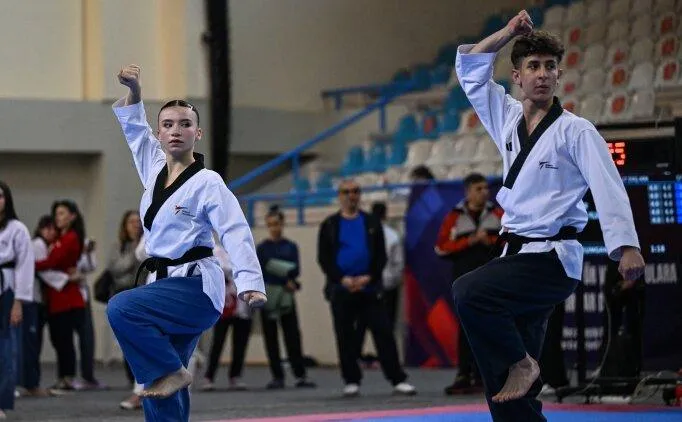
What is Poomsae?
One of the important aspects of technical development in Taekwondo is... Poomsae
This is evident in their work.
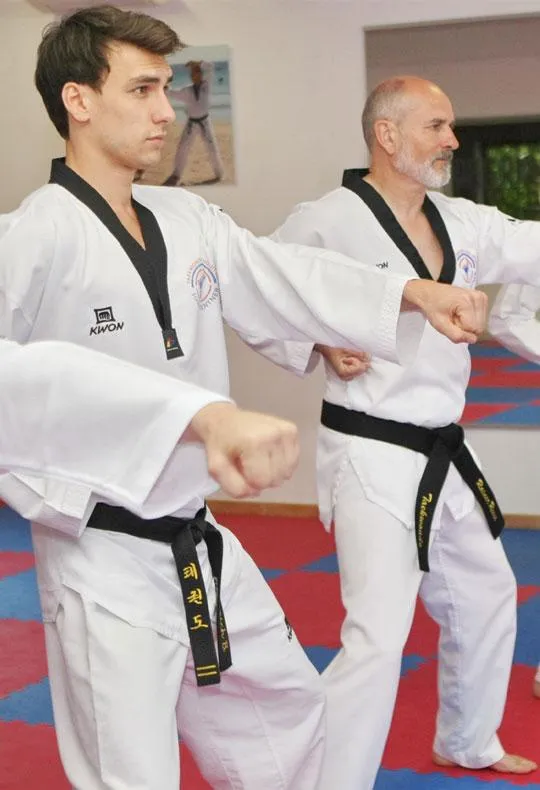
Poomsae is the application of various taekwondo techniques in a specific sequence and movement pattern. Here, the athlete performs not just a single movement, but many different techniques in a specific flow.
In Poomsae studies:
- Stance,
- Technical accuracy,
- Balance,
- The fluidity of the movements,
- Breath control,
- Concentration
It is important.
Taekwondo Footwork
To be able to apply good technique in Taekwondo, you need to have proper footwork.
Moving forward, backward, and sideways; maintaining distance
and taking the correct position requires controlled use of the feet.
Especially in competition training, it is an important skill for athletes to change their position and maintain the correct distance from their opponent.
Why are balance and coordination important?
In many techniques in Taekwondo, the athlete may have to move on one leg. Therefore, balance is one of the fundamental elements for the correct execution of techniques.
Coordination, on the other hand, ensures that the movements of the eyes, arms, legs, and torso work together in harmony at the same time.
In addition to regular technical exercises, balance exercises and
coordination exercises can also help develop these skills.
How does flexibility affect Taekwondo techniques?
Taekwondo kicks require sufficient range of motion to be executed correctly and with control.
Especially in high kicks, flexibility of the hip, hamstring and leg muscles is important.
However, flexibility exercises should be done in a controlled manner, and the person should not push their own physical limits.
Doing a proper warm-up before training, and
performing stretching exercises as recommended by the coach after training, can be beneficial.
Speed and Timing
In Taekwondo, being fast isn't enough. To act at the right time It is also of great importance.
Just as the speed of a technique is important, so is the control of the starting and finishing positions.
Therefore, athletes try to develop speed, reaction, and technical control together over time.
How to Improve Taekwondo Techniques?
At the heart of technological development regular and proper training
It is found.
Repeating a movement many times is not enough on its own.
The coach needs to evaluate whether the movement is being performed correctly and correct any mistakes.
To support technological development:
- Basic movements must be learned correctly.
- Regular training is necessary.
- Flexibility
and balance should be developed.
- Techniques
must be repeated in a controlled manner.
- The process should proceed with movements appropriate to the individual's level.
- The coach's feedback should be taken into account.
Taekwondo Techniques for Children
When teaching taekwondo to children, the techniques must be appropriate for their age and developmental level.
In children, rather than complex movements in the initial stages Basics
posture, balance, coordination, simple kicks, and controlled defensive movements
It's worth considering.
The main goal here is not just to learn techniques; it is to ensure that the child
loves sports, trains regularly, and develops their physical skills in a safe environment.
Safety in Taekwondo Techniques
Safety should always be the priority when practicing Taekwondo techniques.
Especially exercises involving high kicks, rotational movements, and contact should be performed at a level appropriate to the individual. Warming up before training, using appropriate equipment, and learning techniques under the supervision of an experienced coach are important.
It is also important for athletes not to push themselves beyond their skill level to reduce the risk of injury.
Improve Yourself with Taekwondo Techniques
Taekwondo techniques; Posture, balance, punch, block, footwork, kick, poomsae, speed and timing
It consists of a combination of many different skills, such as...
Learning the basic movements correctly at the beginning makes it easier to apply more complex techniques in later stages. With regular practice and expert coaching support, athletes can improve their techniques over time and reach goals appropriate to their level.
Taekwondo is not only a physical combat sport; it is also
discipline, patience, concentration, and controlled action
It is a comprehensive sport that teaches.
Keywords
Taekwondo techniques, what are taekwondo techniques,
taekwondo movements, taekwondo kicking techniques, taekwondo punching techniques,
taekwondo self-defense techniques, taekwondo blocking techniques, basic taekwondo techniques, advanced taekwondo techniques, taekwondo Ap Chagi, Taekwondo Dollyo Chagi, Taekwondo Yop Chagi, Taekwondo Dwit Chagi, taekwondo spinning kick,
taekwondo jumping kick, taekwondo poomsae, taekwondo stances, taekwondo footwork, taekwondo training, taekwondo education, learning taekwondo,
children's taekwondo, taekwondo course, taekwondo technical training, taekwondo self-defense
sport.