How were the Cappadocia Fairy Chimneys Formed? Nature's Millions of Years Old Work
One of the first images that comes to mind when Cappadocia is mentioned is,
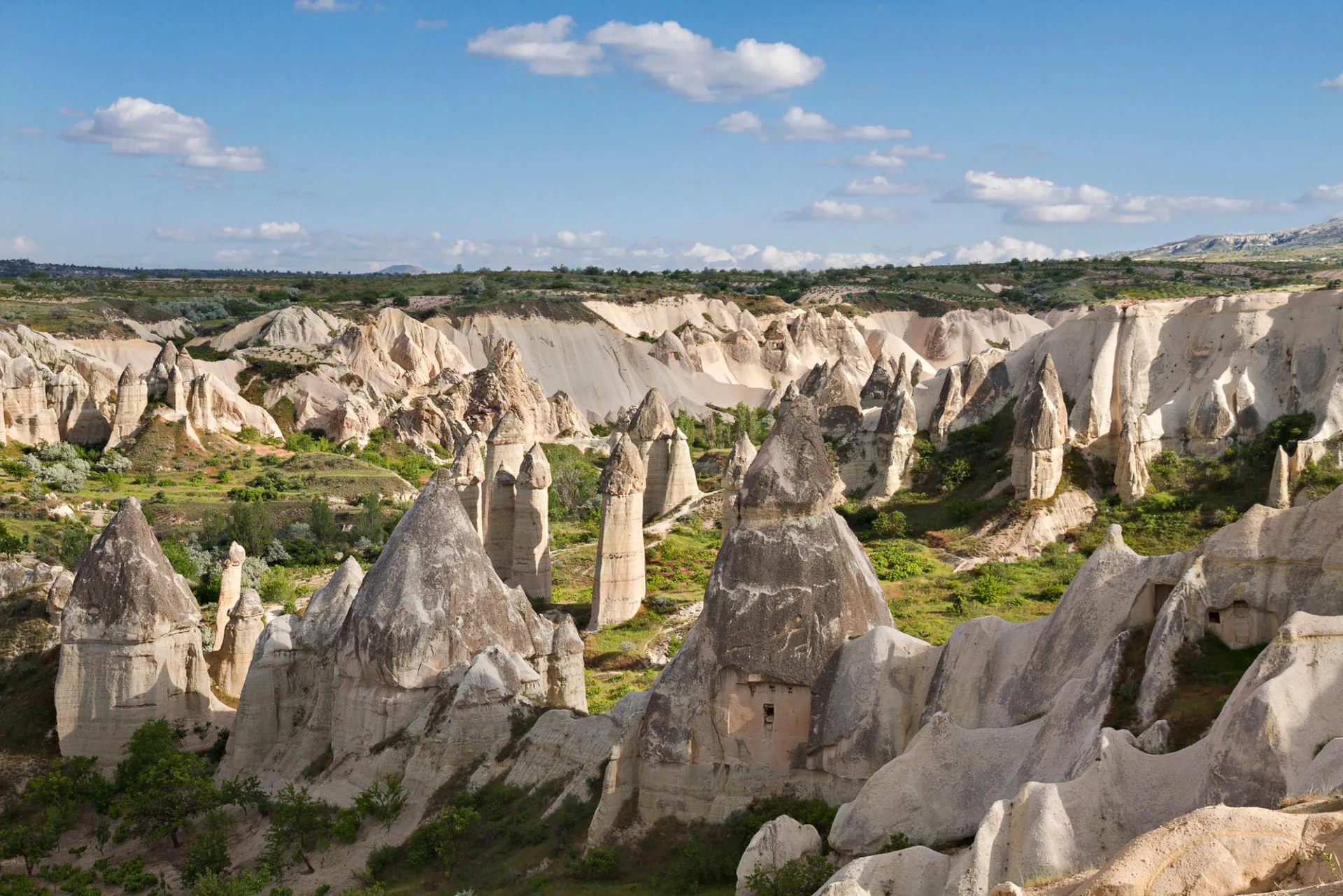
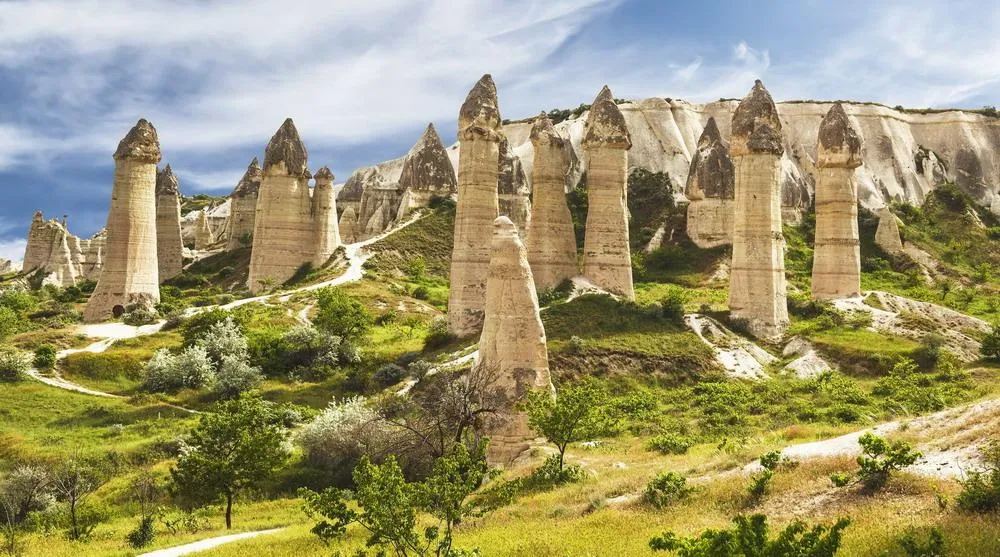
the unique sky rising towards the heavens. fairy chimneysThese natural formations, with their different shapes and colors, give the region a fairytale appearance, but are actually the result of millions of years of geological processes.
One of Cappadocia's most important natural heritage sites,
the fairy chimneys, are not only a beautiful sight for visitors to the region,
but also It is a unique geological heritage that shows how nature has been a shaping force over many years.
What are fairy chimneys?
Fairy chimneys are formed from soft rock layers that have formed over time as a result of volcanic activity. wind, rain, flood and temperature
changes Rock formations that occur as a result of erosion by natural factors such as...
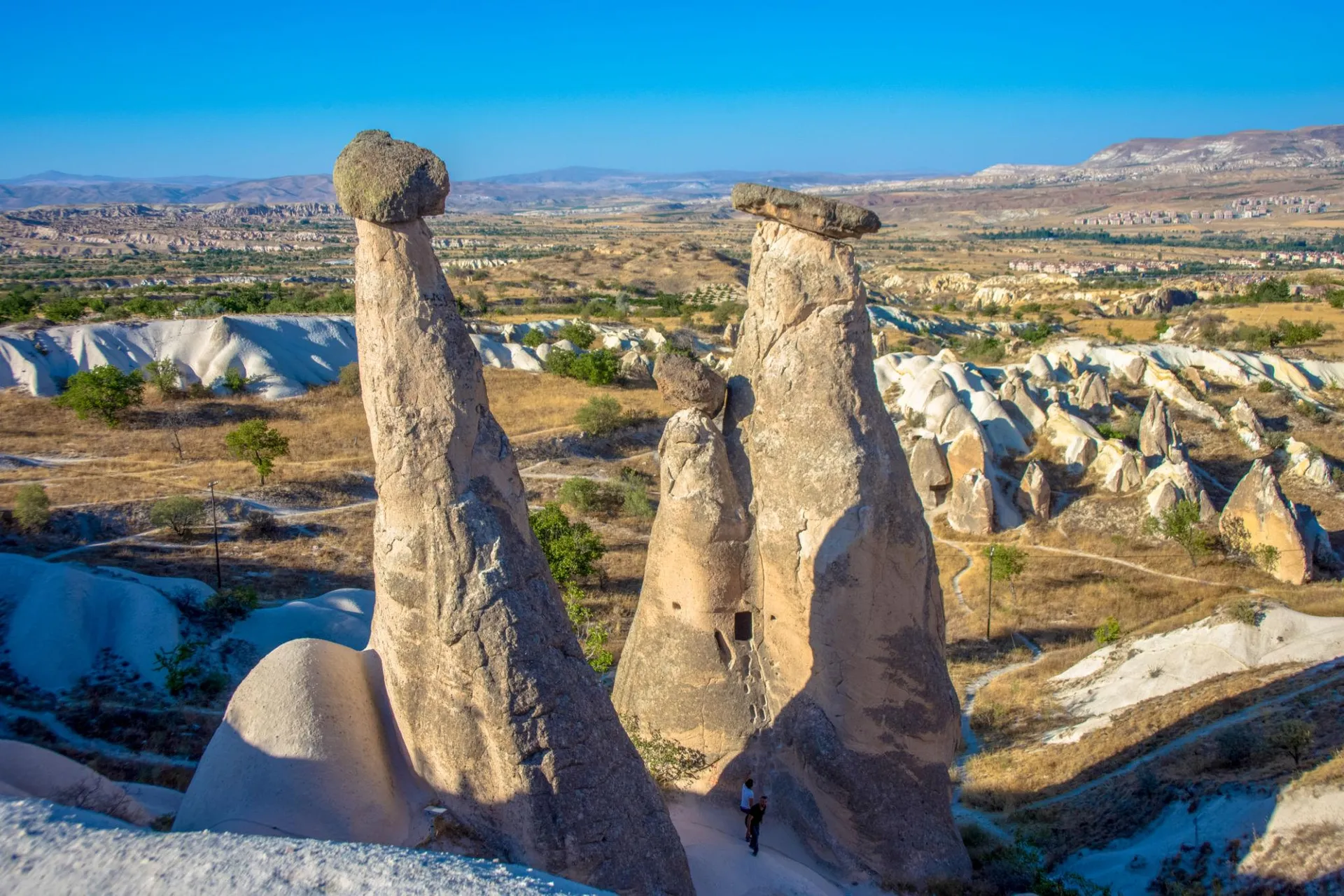
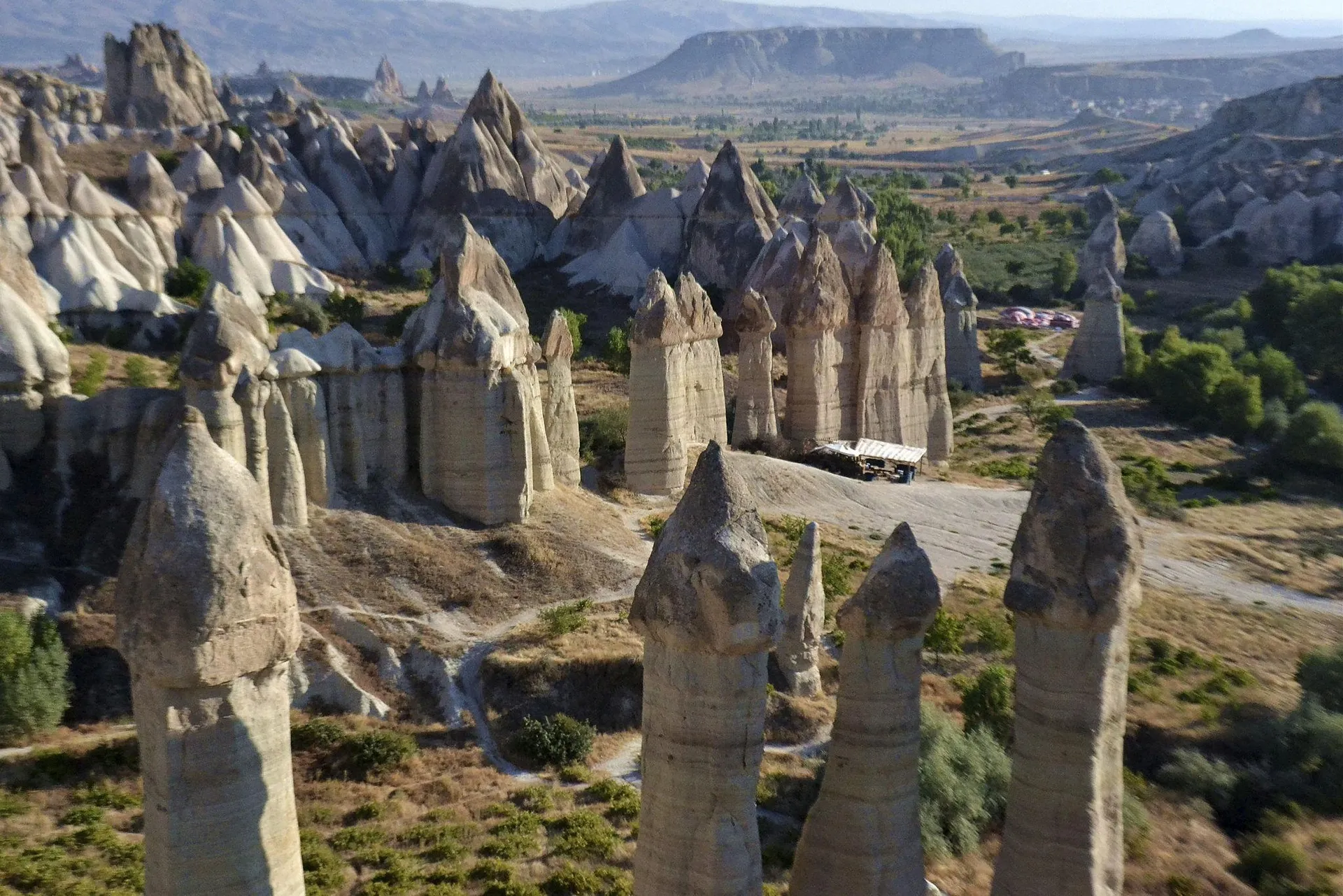
Some of the fairy chimneys in Cappadocia rise in the form of thin and long columns, while others have wider bodies and different shapes.
The harder rock formations on top acted as a natural protective barrier, slowing down the erosion of the softer rocks underneath.
How were the fairy chimneys of Cappadocia formed?
The formation of fairy chimneys cannot be explained by a single event.
The combination of several different geological processes spanning millions of years has resulted in the formation of the images we see today.
1. Volcanic Eruptions
The first stage in the formation of Cappadocia's fairy chimneys was
major volcanic activity in the region.
Especially Mount Erciyes, Mount Hasan and Mount Melendiz
As a result of the volcanic activity in the surrounding area, large amounts of ash, lava, and rock fragments were scattered around.
Volcanic ash accumulated over time, leading to the formation of thick layers of tuff.
2. Formation of Tuff Layers
By the compression and
hardening of volcanic ash over time soft rocks called tuff It happened.
These tuff layers covered a large part of Cappadocia.
However, the presence of rocks of varying hardness on and within the tuffs played a major role in the formation of the fairy chimneys in later stages.
3. Erosion has begun.
After the volcanic activity ceased, nature's shaping power came into play.
Rainwater, floodwaters, wind, and temperature changes
began to gradually erode the soft tuff layers.
As a result of this erosion that continued for millions of years,
valleys, columns and different rock formations were created.
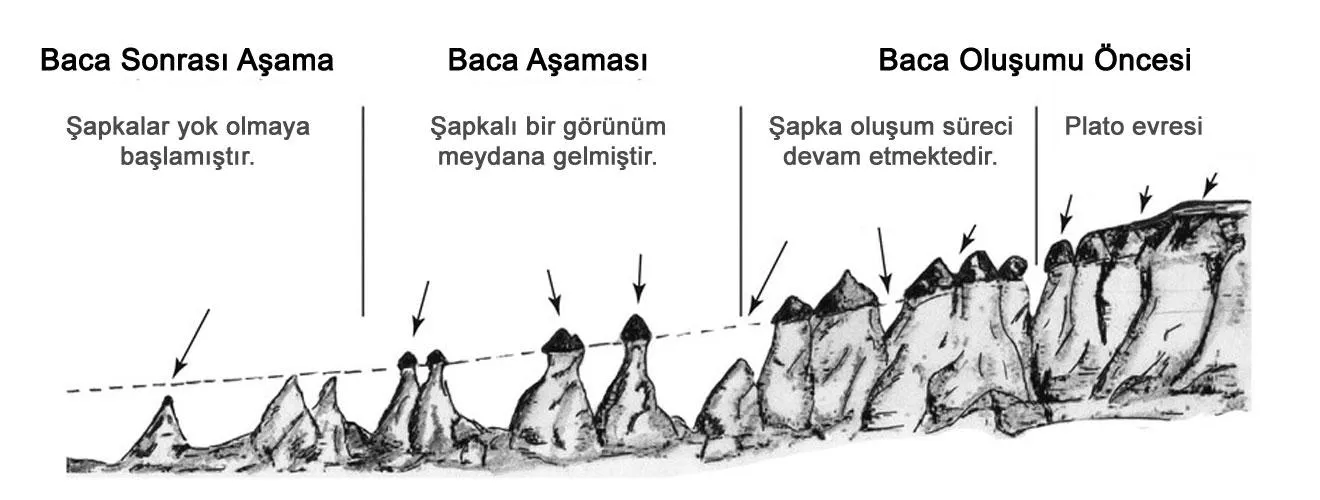
4. Hard Rock Formations Protected the Fairy Chimneys
Some tuff formations had harder rock fragments on top of them.
These hard rocks partially slowed down the erosion of the soft tuff beneath them.
Thus, the rock in the upper section was preserved for a longer period, while
the surrounding soft material eroded and over time became what we see today. fairy chimney formations
It emerged.
Why do fairy chimneys have such different shapes?
Not all fairy chimneys in Cappadocia have the same shape.
The main reason for this is that the hardness of the rocks and the erosion conditions of the regions are different.
The amount of rainfall, the effect of wind, the structure of the rocks, and natural changes that have occurred over time have caused the fairy chimneys to acquire different forms.
Therefore, in Cappadocia you can encounter hundreds of rock formations that look completely different from each other.
Why is the rock formation on top of the fairy chimneys important?
One of the most striking elements in the characteristic appearance of fairy chimneys is the hard rock blocks at their upper parts.
These rock blocks slow down the erosion of the softer tuff beneath them.
However, because erosion continues, the fairy chimneys are not completely immutable. Natural processes continue today, and rock formations gradually change shape over time.
How did people use the fairy chimneys?
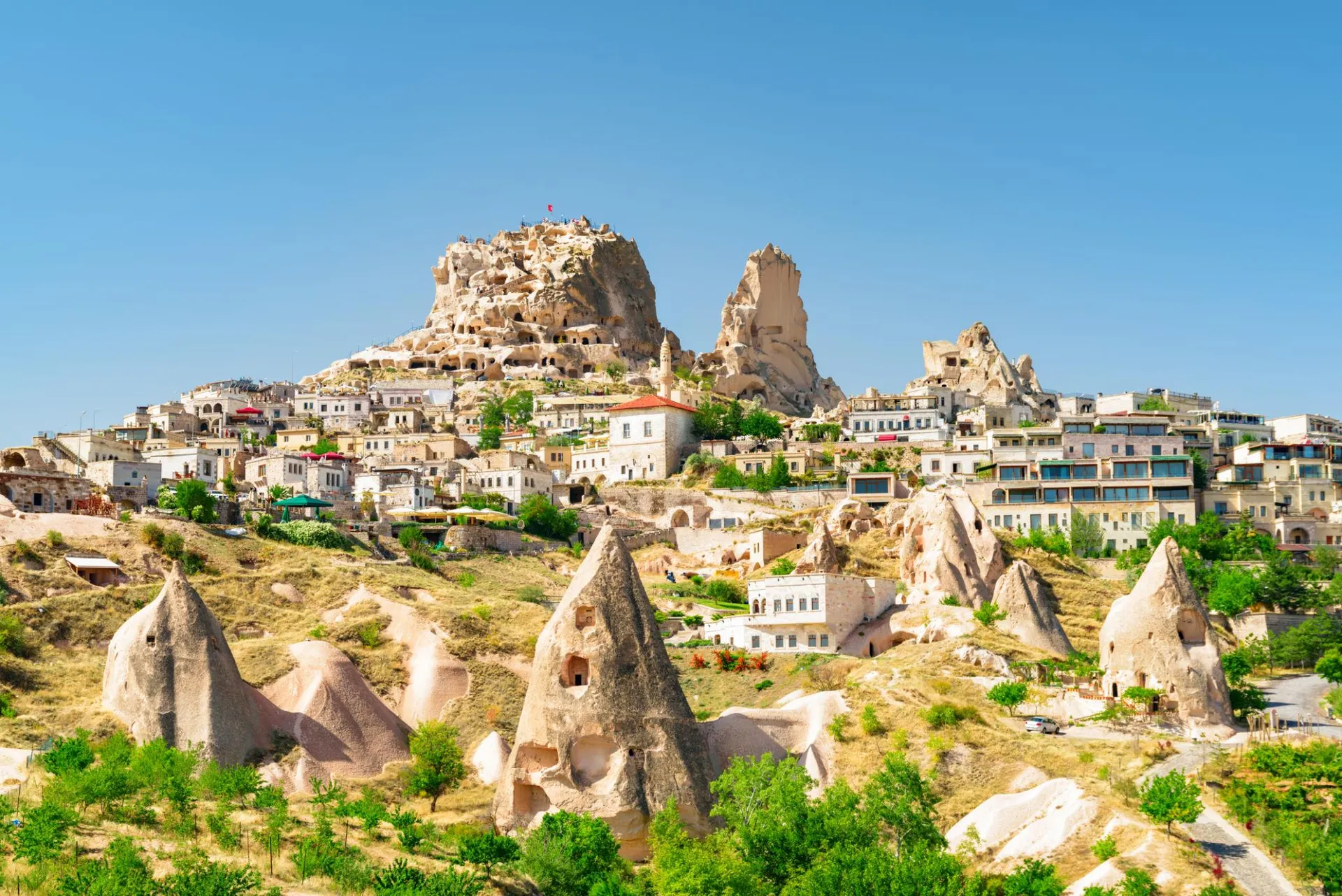
The people living in Cappadocia have not only left the region's soft tuff rocks as a natural formation, but have also used them for various purposes.
Inside the fairy chimneys and the surrounding rocks:
Houses,
Churches,
Chapels,
Warehouses,
Monasteries
It is carved.
Therefore, in Cappadocia nature and human life
They have become an inseparable whole.
The rock settlements in and around Göreme are among the best examples of this.
Where are fairy chimneys found?
Fairy chimneys can be seen in different regions of Cappadocia.
Specifically:
Goreme
Paşabağ
Zelve
Uchisar
Avanos
Urgup
Devrent Valley
The surrounding formations attract great interest from visitors.
Each region has its own unique rock formations and landscapes.
What is the best way to explore the fairy chimneys?
Visitors to Cappadocia can explore the fairy chimneys in different ways.
Hiking routesIt is a great option to see the rock formations in the valleys up close.
Hot air balloonIt offers the opportunity to see fairy chimneys and valleys from the sky.
Horse riding tours It allows you to explore the valleys of Cappadocia, known as the "Land of Beautiful Horses," in a different way.
Therefore, fairy chimneys are different tour, holiday and travel
It is central to their experiences.
Are fairy chimneys still forming?
Yes. The natural processes that formed the fairy chimneys have not completely ended.
Rain, wind, temperature changes, and other erosion processes continue to slowly shape rock formations even today.
However, these changes occur extremely slowly in terms of a human lifespan, so it is impossible to notice them in daily life.
Therefore, the Cappadocia landscape we see today is only a snapshot of a natural process spanning millions of years.
Cappadocia Fairy Chimneys: A Story Millions of Years Old
The fairy chimneys of Cappadocia were formed as a result of natural erosion processes that began with volcanic activity and continued for millions of years.
The tuff layers formed by volcanic activity around Erciyes, Hasan Dağı and Melendiz Dağı have been shaped by rain, wind and other natural factors, creating the unique landscapes that visitors from all over the world come to see today.
Therefore, a trip to Cappadocia tripIt means not only
seeing beautiful landscapes, but also witnessing a geological story spanning millions of years.
Conclusion
Cappadocia fairy chimneysIt is a unique work of art created by nature patiently and over millions of years.
From the tuff layers formed by volcanoes to the valleys shaped by wind and rain, every rock formation bears a trace of Cappadocia's long geological history.
Your trip to Cappadocia tour, holiday or trip During this time,
look at the fairy chimneys not just as a landscape, but as the result of a nature story that has lasted millions of years.
Discover the millions of years old nature story in the fairy chimneys of Cappadocia.
Keywords
Cappadocia fairy chimneys, how fairy chimneys were formed, Cappadocia
how fairy chimneys were formed, formation of fairy chimneys, formation of Cappadocia,
Geology of Cappadocia, Cappadocia volcanoes, Mount Erciyes, Mount Hasan, Melendiz
Mount, Cappadocia tuff rocks, Cappadocia erosion, Göreme fairy chimneys, Paşabağ
fairy chimneys, Zelve fairy chimneys, Uçhisar fairy chimneys, Ürgüp fairy chimneys,
Devrent Valley, Cappadocia valleys, Cappadocia history, Cappadocia nature, Cappadocia
places to visit, Cappadocia travel guide, Cappadocia tour, Cappadocia tour,
Cappadocia holiday, Cappadocia travel, Cappadocia travel guide, Cappadocia culture
tour, Cappadocia nature tour, Cappadocia tourism, Turkey tour, Turkey holiday,
Turkey Travel, Tour Holiday Travel.