Byzantine Constantinople: The City's Roman and Byzantine Heritage
Istanbul is a unique city that has served as the capital of great empires such as Rome, Byzantium, and the Ottoman Empire throughout its thousands of years of history.
Today, walking through the streets of Istanbul, it is possible to see not only a modern metropolis but also a significant historical heritage that has survived from the Roman and Byzantine periods to the present day.
Especially Byzantine ConstantinopleIt is a very important cultural route for those who want to understand the history of the city.
The city, which became one of the important centers of the Roman Empire under the name of Constantinople, later became the capital of the Eastern Roman Empire and was at the center of political, religious, and cultural life for centuries.
A meeting will be held in Istanbul today. tour, holiday or trip
Exploring the structures remaining from the Byzantine period during this time offers a unique opportunity to get to know the city's past more closely.
What is Byzantine Constantinople?
When "Byzantine Istanbul" is mentioned, it usually refers to the historical and cultural heritage of the Eastern Roman Empire, centered in Constantinople.
Roman Empire.
The state called the Byzantine Empire considered itself the Roman Empire during its time.
Constantinople had become one of the most important political, religious, economic and cultural centers of the empire.
Therefore, when exploring the history of the city... Roman and Byzantine legacies should not be considered entirely separately.
The walls, cisterns, churches,
squares and some infrastructure remnants seen in Istanbul today bear the traces of this long Roman-Byzantine history.
Constantinople: Istanbul Becoming the Roman Capital
One of the most important stages in the transformation of Istanbul during the Roman period took place during the reign of Emperor Constantine.
In 330, the city was reorganized as the new capital of the Roman Empire and became a major political and cultural center under the name Constantinople.
The city's strategic location played a major role in this development.
Constantinople, being one of the transit points between Europe and Asia,
also dominated the trade routes between the Black Sea and the Mediterranean.
Therefore, understanding the city planning and defense systems of the Roman period is quite important during a cultural trip to Istanbul.
Istanbul, the capital of the Byzantine Empire.
Constantinople remained the capital of the empire for centuries during the Byzantine period.
The city was not only a political center during this period. It was also one of the important religious centers of the Christian world, a major trading city, and a center of art.
Churches, palaces, squares, cisterns, and walls built by emperors revealed the size and importance of the city.
Today, some of these structures remain standing, while others have survived to the present day as archaeological remains.
Because Byzantine Istanbul tourIt offers much more than a classic city tour.
Hagia Sophia: One of the Most Important Legacies of Byzantine Istanbul
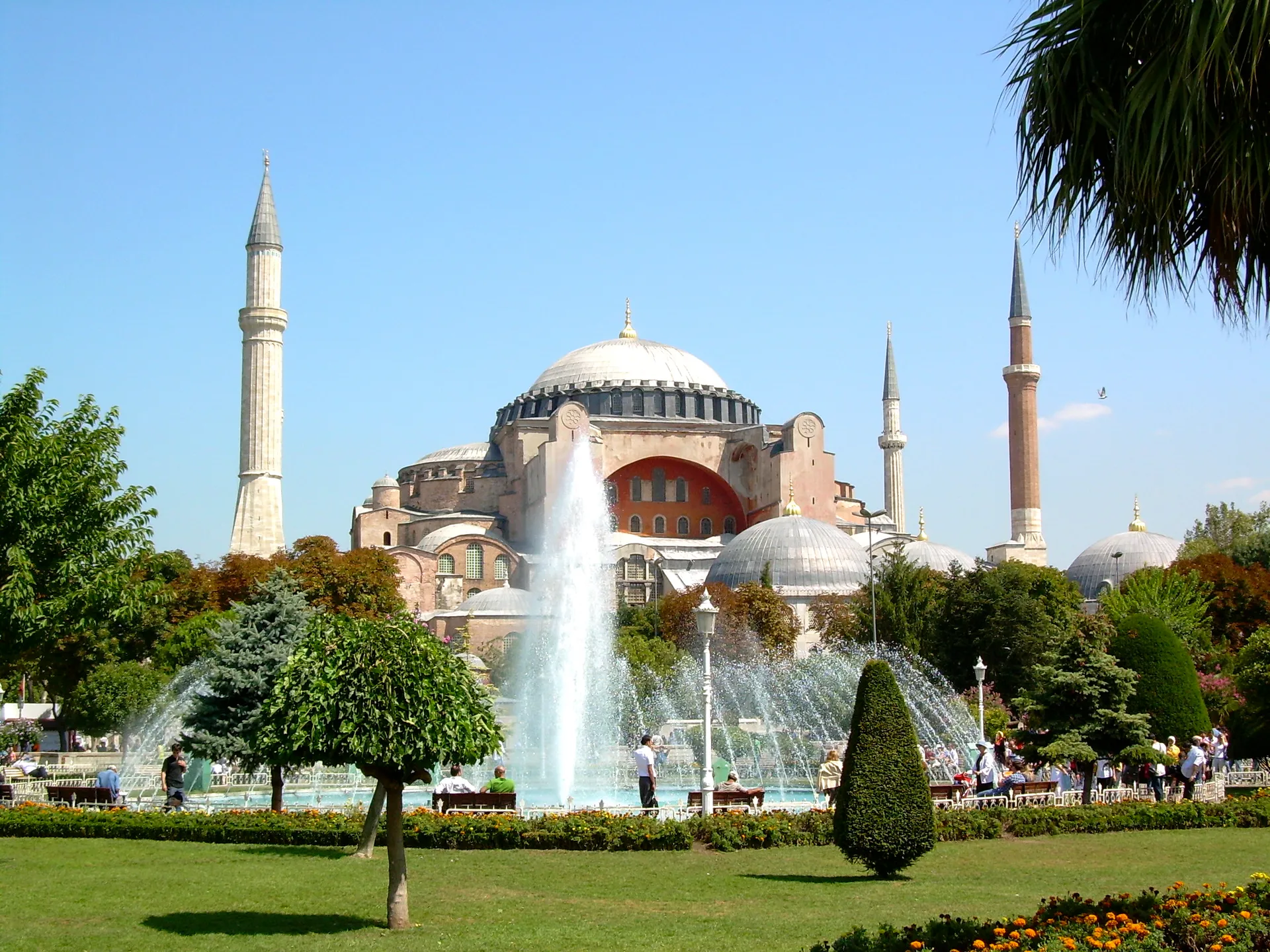
When Byzantine Istanbul is mentioned, one of the first historical structures that comes to mind is Hagia Sophia.
Built in the 1st century during the reign of Emperor Justinian, the structure is considered one of the most impressive architectural works of its time.
Its massive dome, architecture, and interior features have made Hagia Sophia one of the most important buildings not only in Istanbul but also in the history of world architecture.
Those who visit Hagia Sophia can gain a better understanding of Istanbul's religious and architectural power during the Byzantine period.
One Istanbul cultural tour Visiting Hagia Sophia during this time is one of the most important stops on a journey through Byzantine history.
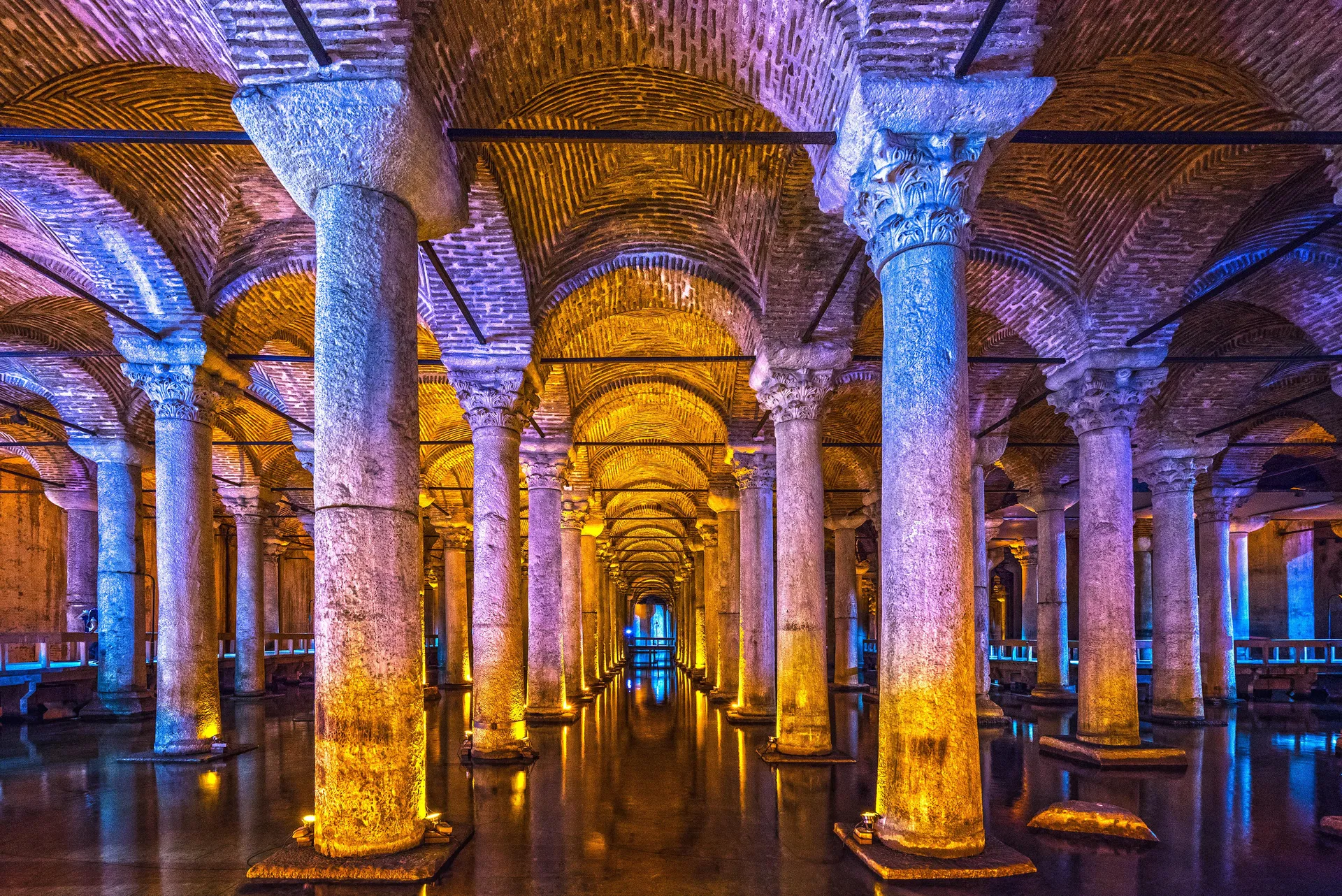
One of the most impressive structures remaining from the Byzantine period in Istanbul is the Basilica Cistern.
Built to meet the city's water needs, the large cistern, with its hundreds of columns, is one of the important examples of Istanbul's advanced infrastructure system.
Walking inside the cistern, it is possible to better understand how advanced Constantinople was during the Byzantine period.
Especially for those who want to see different and impressive historical sites during their Istanbul holiday, the Basilica Cistern is an important stop.
The Walls of Istanbul: Constantinople's Defense System
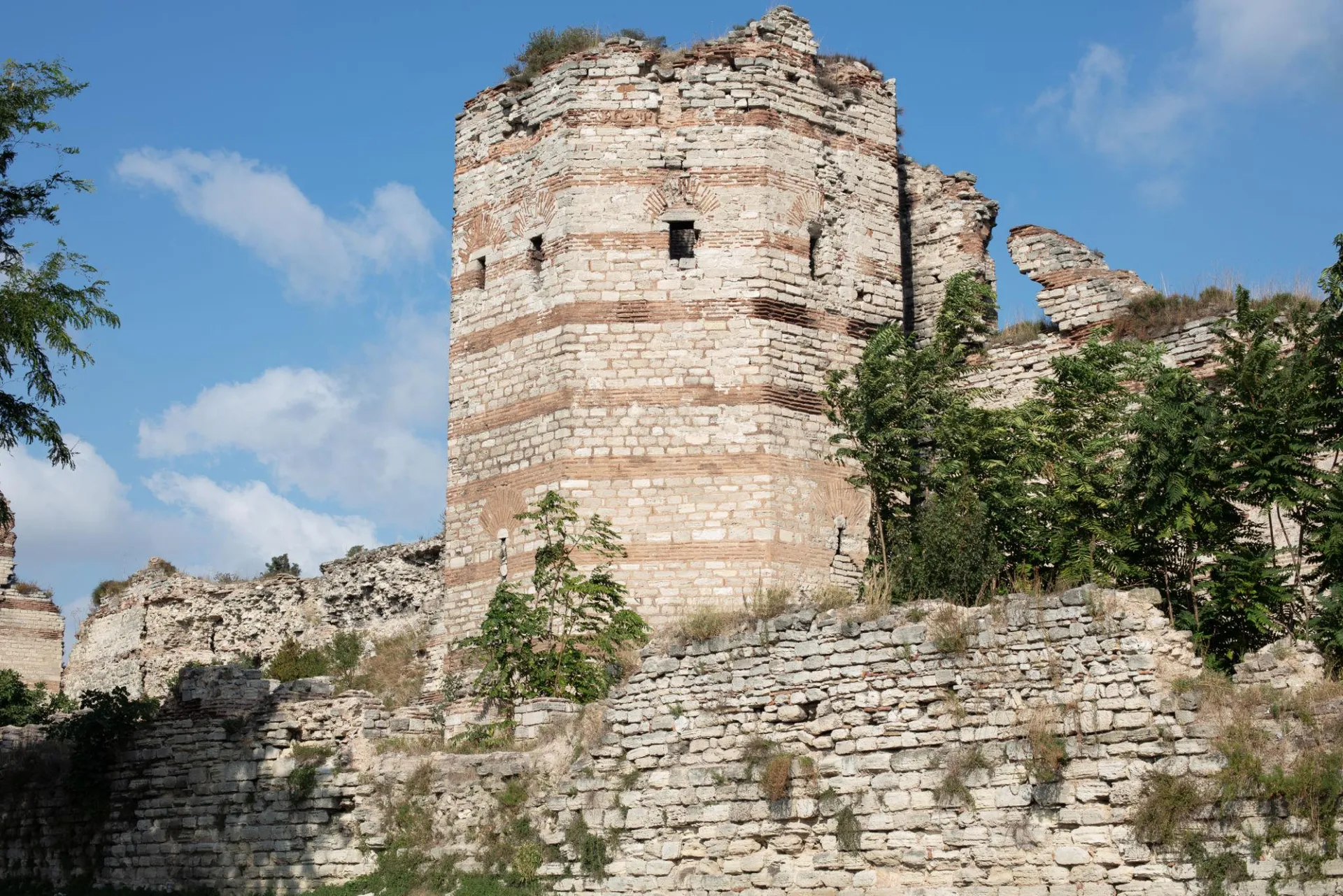
One of the most important legacies of Byzantine Istanbul is the city's
walls.
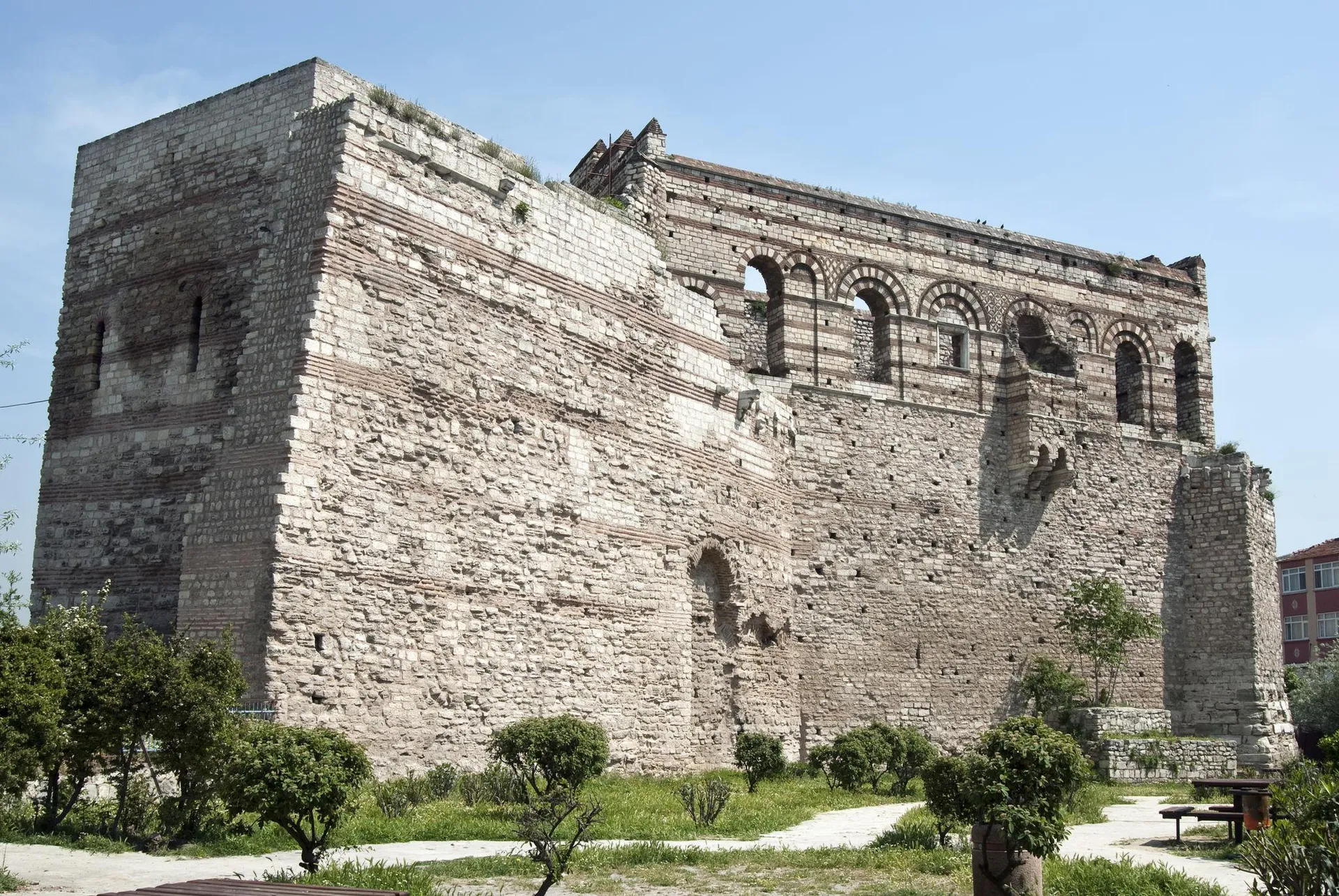
The land walls, developed especially during the reign of Theodosius II, became one of the fundamental elements of Constantinople's defense system.
These walls, which have protected the city from attacks for centuries,
show how strong a defense center Istanbul had in the past.
Today, some sections of the walls are preserved to varying degrees.
Visiting the historical city walls during a trip to Istanbul helps you understand that the city was not only composed of
palaces and religious buildings; it also had a sophisticated military and
urban planning system.
The Hippodrome: Social Life in Byzantine Istanbul
The area where Sultanahmet Square is located today was an important center known as the Hippodrome during the Byzantine period.
The hippodrome was not just an arena for chariot races.
It was also one of the important centers of political and social life.
Emperors, the people, and political groups gathered here; major events and competitions were held.
Some of the historical columns and monuments that are still in the square today are among the traces remaining from the Hippodrome's past.
Therefore, while walking around Sultanahmet Square, thinking about what kind of living space the place was in during the Byzantine period makes your Istanbul cultural tour much more meaningful.
Obelisks and Byzantine Monuments
The historical monuments located around Sultanahmet showcase the heritage that Istanbul has received from different civilizations.
In particular, works such as the Obelisk, the Serpent Column, and the Woven Obelisk bear important traces of the Hippodrome's past.
Some of these artifacts were brought to Istanbul from different regions of the Roman Empire.
Therefore, even during a short walk in Sultanahmet, it is possible to encounter historical heritage brought to Istanbul from different parts of the Roman Empire.
Little Hagia Sophia and Byzantine Period Churches
The religious structures remaining from the Byzantine period in Istanbul are not limited to Hagia Sophia alone.
The building known as Little Hagia Sophia is one of the important examples of religious architecture from the Byzantine period.
In addition, there are Byzantine structures in different parts of Istanbul that have survived to the present day or have been transformed in different periods.
For those who want to explore these structures, walking cultural tours in Istanbul's historical districts are quite valuable.
Kariye: Traces of Byzantine Art
One of the structures that those who want to understand Istanbul's Byzantine heritage should pay attention to is Kariye.
The building, particularly known for its mosaics and frescoes, is noteworthy for housing important examples of Byzantine art.
The works of art in Kariye demonstrate how advanced religious art was during the Byzantine period.
For those interested in Byzantine art and architecture, adding this region to their Istanbul travel itinerary can provide a more comprehensive opportunity to explore the city's cultural heritage.
The Importance of Galata and the Golden Horn During the Byzantine Period
To limit Byzantine Istanbul solely to the Historical Peninsula is incorrect.
The Golden Horn and its surroundings also held an important place in the economic and
strategic life of Constantinople.
The Golden Horn's natural harbor feature contributed to the development of the city's commercial life.
The Galata district has also been one of the important settlements on the opposite shore of Istanbul throughout history.
Today, during a walk around Galata and the Golden Horn, it is possible to encounter historical traces from different periods of the city.
Sample route for exploring Byzantine heritage in Istanbul.
A special case study of Byzantine history Istanbul tour For those who want to do so, a route can be created that brings together several different regions.
Day 1: Sultanahmet and the Historical Peninsula
Hagia Sophia
Sultanahmet Square
Hippodrome
Obelisk
Serpentine
Column
Yerebatan Cistern
Little
Hagia Sophia
Day 2: Byzantine Walls and the Golden Horn
Istanbul
Land Walls
Kariye
Golden Horn surroundings
Historic neighborhoods
Other structures remaining from the Byzantine period
This route, especially Byzantine history, Roman history,
can create a comprehensive cultural tour for visitors interested in architecture and archaeology.
What should you pay attention to when visiting Byzantine Istanbul?
When visiting Byzantine-era sites, trying to understand their historical context instead of just taking photos of the buildings makes the travel experience much more valuable.
For example, when you look at Hagia Sophia, instead of just seeing a historical building, thinking about what Constantinople was like in the 6th century can provide a different perspective.
Thinking about how the city met its water needs in the Basilica Cistern helps to understand the urban planning and engineering capacity of Byzantium.
Standing in front of the city walls, you can consider why Constantinople has been such an important defensive center for centuries.
Like this Trip to IstanbulIt goes beyond simply seeing places to visit and transforms into a true journey through history.
The Ideal Visit Length for Byzantine Istanbul
For those who want to explore the Byzantine heritage comprehensively,
a program of at least 2 days can be prepared.
However, for history enthusiasts who want to examine Istanbul's Roman and Byzantine heritage in more detail, it would be more appropriate to allocate 3 or more days.
A short Istanbul holiday During this time, it is possible to see some of the most important Byzantine works of the city by focusing on Sultanahmet and
The Historical Peninsula.
Why is Byzantine Constantinople so important?
Istanbul's Byzantine heritage allows us to understand not only the city's past,
but also how its present identity was formed.
Many of the historical areas we see in Istanbul today have a history dating back to the Roman and Byzantine periods.
Some of the streets, squares, walls, cisterns, and historical buildings bear traces of hundreds or even thousands of years of city history.
Therefore, a trip to Istanbul tour, holiday or tripIt is an important opportunity not only to see modern Istanbul, but also to understand the city as it was known in the past as Constantinople.
Conclusion: A Historical Journey in Tracing the Byzantine Heritage of Istanbul
Istanbul is one of the most important cities in the world where Roman and Byzantine history can still be felt vividly today.
From the dome of Hagia Sophia to the columns of the Basilica Cistern,
From the Hippodrome to the walls of Istanbul, many structures and ruins,
carry the past of Constantinople to the present day.
Because Byzantine ConstantinopleIt is a special route that history and culture enthusiasts should definitely explore.
A trip you will make to Istanbul type to see historical artifacts during this time, a holiday exploring different parts of the city during
or a comprehensive trip If you want to trace the Roman and Byzantine heritage in your plan, you can create a route starting from the Historical Peninsula and extending to different points of the city.
For those who truly want to get to know Istanbul, there is something hidden beneath the city's present-day image. Exploring ConstantinopleIt will offer an unforgettable
historical and cultural experience.
Keywords
Byzantine Istanbul, Byzantine history, Istanbul
Byzantine history, Roman history of Istanbul, Roman Istanbul, Roman heritage of Istanbul,
Byzantine heritage of Istanbul, Byzantine heritage, Roman heritage, Constantinople,
History of Constantinople, Byzantine Empire, Byzantine artifacts in Istanbul,
Byzantine artifacts in Istanbul, Roman artifacts in Istanbul, Byzantine architecture, Byzantine
art, history of Istanbul, historical places of Istanbul, historical sites of Istanbul,
Istanbul cultural tour, Istanbul cultural trip, Istanbul tour, Istanbul tour, Istanbul
holiday, Istanbul holiday guide, Istanbul travel, Istanbul travel guide,
Istanbul travel guide, Istanbul history tour, Istanbul Byzantine tour, Istanbul Roman
tour, Byzantine history tour, Byzantine history trip, Istanbul historical travel route,
Istanbul cultural route, Historical Peninsula, Hagia Sophia, Basilica Cistern, Istanbul
walls, Hippodrome, Sultanahmet, Kariye, Little Hagia Sophia, Golden Horn, Istanbul tourism,
Istanbul tourism guide, Turkey tour, Turkey holiday, Turkey travel